Powerful Cable Glands for Secure and Safe Cable Entry Solutions
Why Cable Glands Are Critical in Electrical Systems
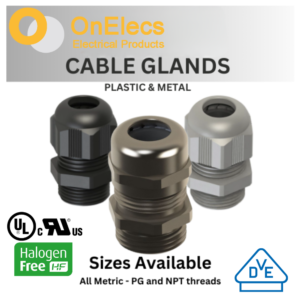
In modern electrical installations, cable protection goes beyond routing and insulation. One of the most overlooked yet critical components is the entry point where cables connect to equipment or enclosures. This is where Cable Glands play a vital role. Designed to secure, seal, and protect cables at entry points, they ensure system safety, reliability, and long-term performance.
Without proper cable glands, installations are vulnerable to dust, moisture, strain, and mechanical damage. For industries operating in demanding environments, choosing the right cable gland solution is not optional—it is essential.
What Are Cable Glands and How Do They Work?
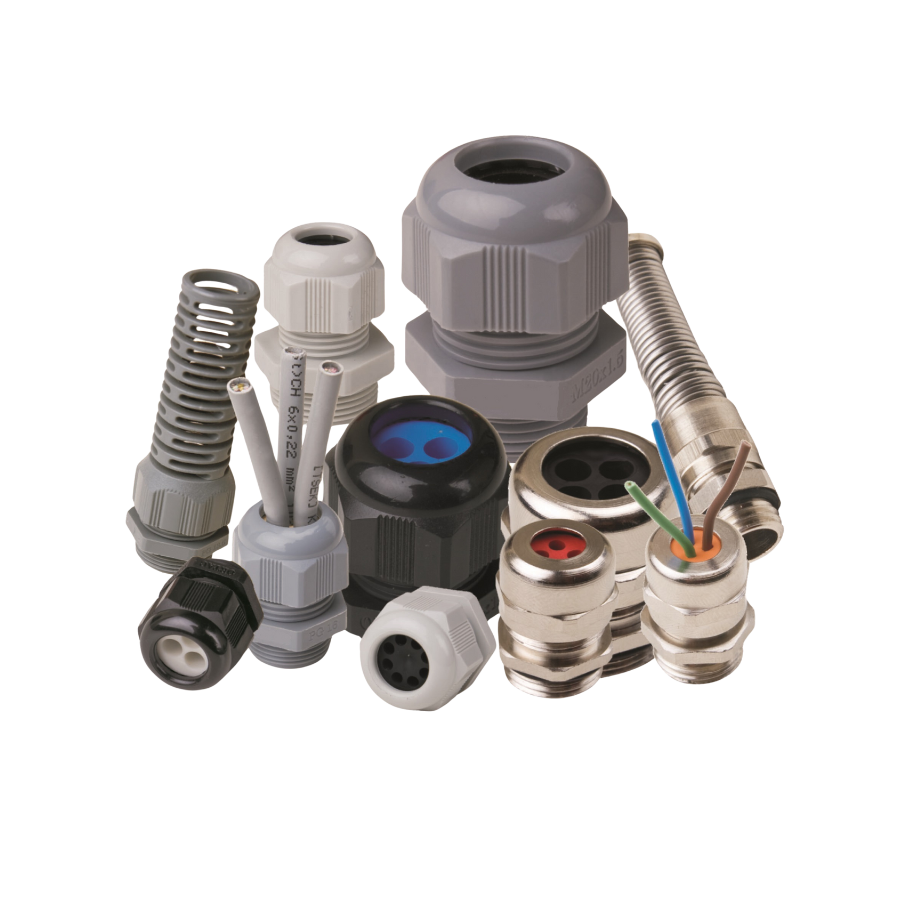
Cable Glands are mechanical devices used to attach and secure the end of an electrical cable to equipment. They provide strain relief, sealing, and environmental protection while maintaining electrical continuity.
A typical cable gland consists of multiple components, including sealing rings, locknuts, and compression elements. Together, these components create a tight seal around the cable, preventing external elements from entering the enclosure.
Key Benefits of Using Cable Glands
The increasing use of Cable Glands across industries is driven by their ability to enhance both safety and performance:
- Secure cable retention: Prevents cables from being pulled or disconnected
- Environmental sealing: Protects against dust, moisture, and chemicals
- Strain relief: Reduces mechanical stress on cable connections
- Improved safety: Minimizes risk of electrical faults
- Versatility: Suitable for a wide range of cable types and sizes
These benefits make Cable Glands indispensable in both simple and complex electrical systems.
Types of Cable Glands
Cable Glands are available in different types depending on the application and environment:
- Brass cable glands: Known for durability and corrosion resistance
- Nylon cable glands: Lightweight and cost-effective
- Stainless steel glands: Ideal for harsh and corrosive environments
- Waterproof cable glands: Designed for outdoor and wet conditions
Selecting the right type of Cable Glands ensures optimal performance and compliance with safety standards.
Applications Across Industries
Cable Glands are used in a wide range of industries where cable protection and sealing are critical:
- Industrial automation: Secure cable entry in control panels and machinery
- Energy sector: Reliable connections in power distribution systems
- Telecommunications: Protection of data and communication cables
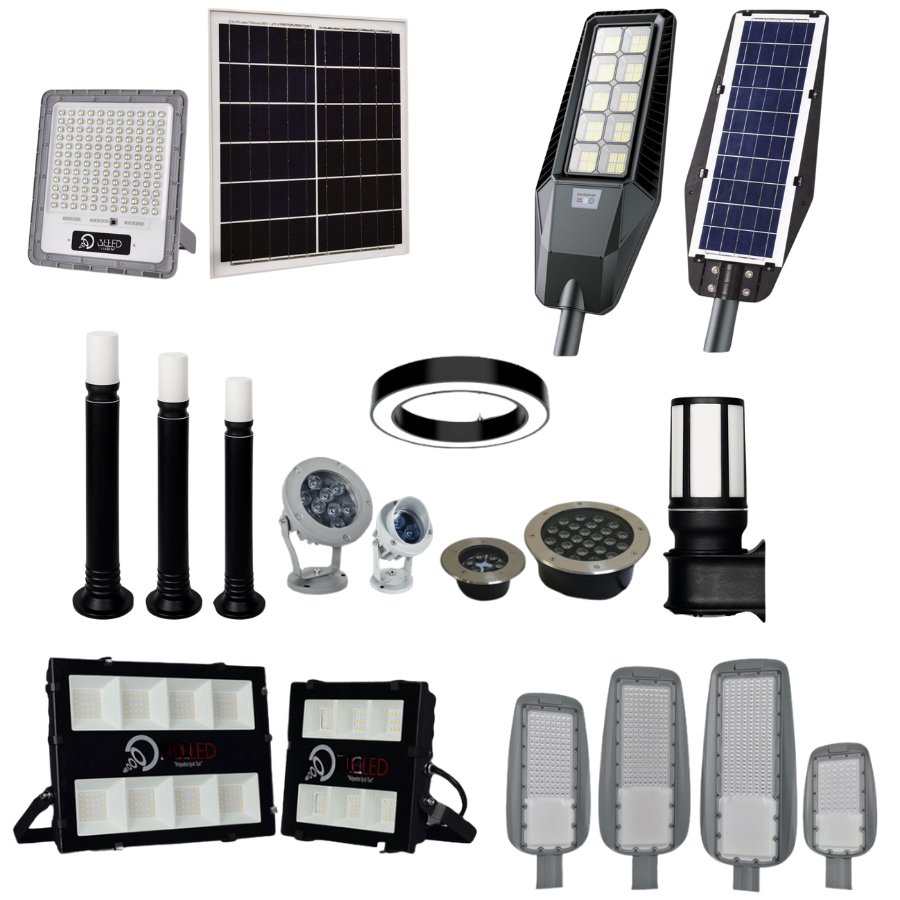
- Outdoor installations: Weatherproof sealing for lighting and infrastructure
- Marine and offshore: Corrosion-resistant solutions for extreme conditions
In each application, Cable Glands ensure that electrical systems remain safe and operational.
Integration with Cable Management Systems
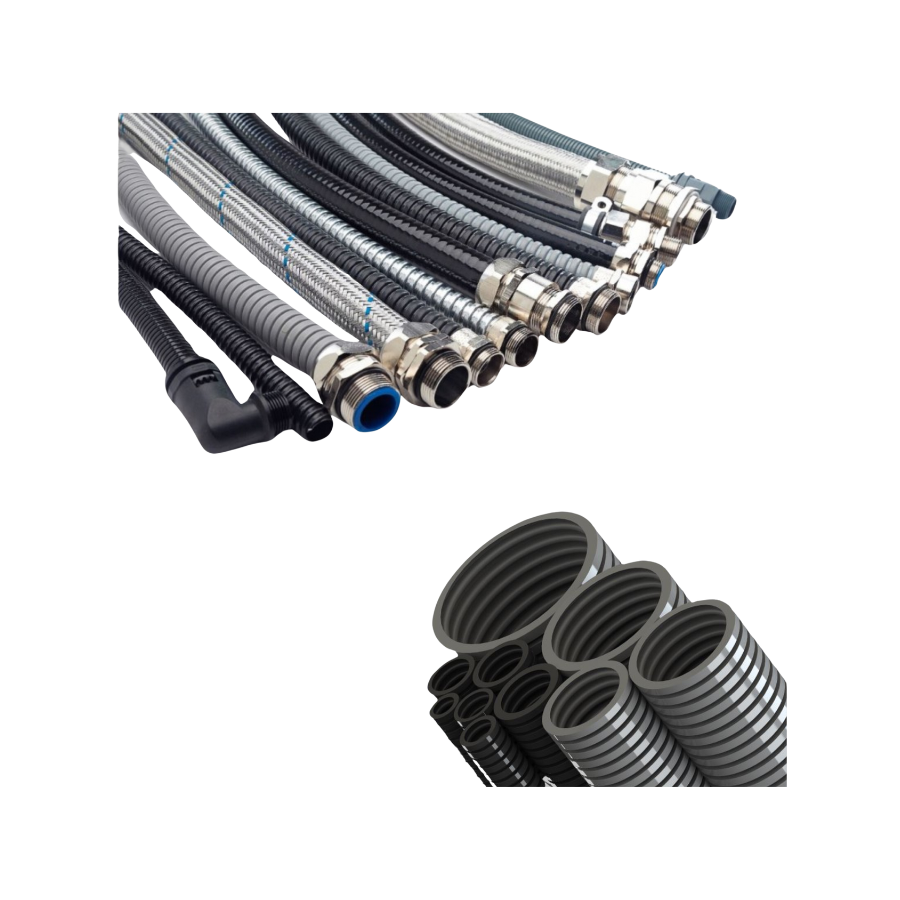
Cable Glands perform best when integrated with compatible cable management and accessory systems. This ensures complete protection from entry point to cable routing, creating a safe and reliable infrastructure.
Explore compatible products here:
Cable Glands & Accessories.
Installation Best Practices
Proper installation is key to maximizing the effectiveness of Cable Glands:
- Select the correct gland size for the cable diameter
- Ensure sealing rings are properly positioned
- Tighten components securely without over-tightening
- Check for proper grounding if required
- Inspect regularly for wear or loosening
Following these steps ensures reliable performance and long-term durability.
Standards and Compliance
High-quality Cable Glands must comply with international standards to ensure safety and reliability.
Learn more here:
IEC Standards.
Frequently Asked Questions (FAQ)
What are Cable Glands used for?
They are used to secure and seal cables entering electrical equipment.
Are Cable Glands waterproof?
Some types are specifically designed to be waterproof for outdoor use.
How do I choose the right Cable Gland?
Consider cable size, environment, and material requirements.
Are Cable Glands reusable?
Some types can be reused, depending on design and condition.
Where are Cable Glands commonly used?
Industrial, commercial, and outdoor electrical installations.
Conclusion
Cable Glands are a small but essential component in any electrical system. They ensure secure cable entry, protect against environmental hazards, and improve overall system reliability. Choosing the right Cable Glands and installing them correctly can significantly enhance safety and performance in any application.
At Onelecs, we focus on delivering solutions that meet real-world challenges—because every connection matters.