Waterproof Cable Glands (IP68): Reliable Cable Sealing for Outdoor and Industrial Use
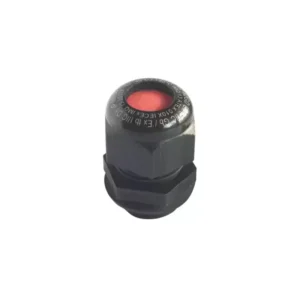
Why Waterproof Cable Glands Matter in Real Installations
If you’ve ever worked on an outdoor electrical installation, you already know the weak point is rarely the cable itself—it’s the entry point. Rain, humidity, dust, and even small temperature changes can affect performance over time. That’s exactly where Waterproof Cable Glands come in.
These components are designed to seal the connection between a cable and an enclosure, preventing water and contaminants from entering. In real-world conditions—whether it’s a factory floor, rooftop installation, or outdoor lighting system—this level of protection is not optional. It’s necessary.
What Does IP68 Mean in Cable Glands?
When talking about Waterproof Cable Glands, the term “IP68” comes up frequently. This rating is part of the international Ingress Protection (IP) standard, which defines how well a product is protected against dust and water.
- IP6X: Fully protected against dust
- IPX8: Protected against continuous immersion in water
In practical terms, IP68-rated Waterproof Cable Glands are built to handle tough environments where exposure to water is constant or unavoidable.
Key Advantages of Waterproof Cable Glands
There’s a reason why Waterproof Cable Glands are widely used across industries. They solve multiple problems at once without adding complexity to the installation.
- Sealing performance: Prevents water, dust, and debris from entering enclosures
- Strain relief: Protects cables from mechanical stress and pulling forces
- Long-term durability: Maintains performance even in harsh conditions
- Ease of installation: Simple design allows quick assembly on-site
- Compatibility: Works with a wide range of cable types
In many projects, using Waterproof Cable Glands significantly reduces maintenance needs over time.
Where Are Waterproof Cable Glands Used?
In practice, Waterproof Cable Glands are used in almost every environment where cables are exposed to the elements. Some of the most common applications include:
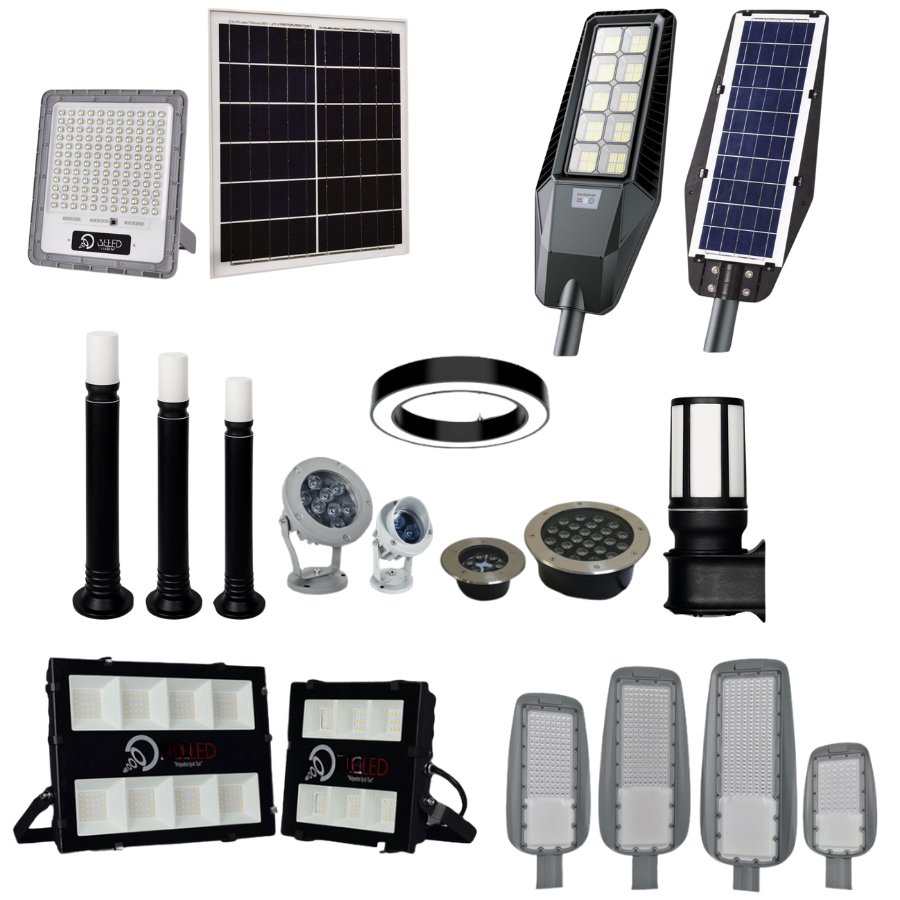
- Outdoor lighting systems: Street lighting, garden lighting, and façade illumination
- Industrial facilities: Machinery exposed to water, oil, or chemicals
- Solar energy systems: Cable connections in photovoltaic installations
- Marine environments: High humidity and salt exposure
- HVAC systems: Outdoor units and rooftop installations
Each of these environments requires consistent sealing performance, which is exactly what Waterproof Cable Glands are designed to provide.
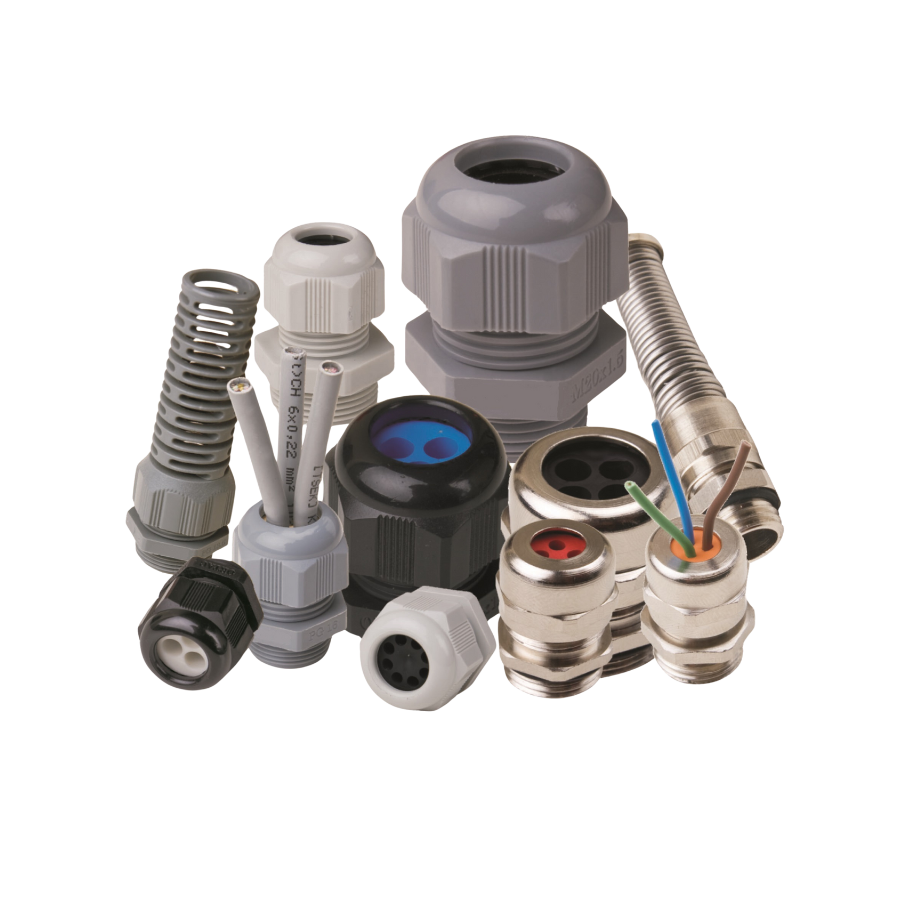
Material Options: Nylon vs Metal Cable Glands
Choosing the right material is just as important as selecting the correct size. Waterproof Cable Glands are typically available in two main material types:
- Nylon (plastic): Lightweight, corrosion-resistant, and cost-effective. Ideal for general outdoor use.
- Brass (nickel-plated): Higher mechanical strength and better durability in industrial environments.
In environments with heavy mechanical stress or vibration, metal glands are usually preferred. For standard outdoor installations, nylon options often provide sufficient protection.
How to Choose the Right Waterproof Cable Gland
Selecting the right Waterproof Cable Glands is not complicated, but it requires attention to a few key details:
- Cable diameter and type
- Environmental conditions (indoor, outdoor, chemical exposure)
- Required IP rating
- Thread type (metric, PG, NPT)
- Material compatibility
Taking the time to match these factors ensures a reliable and long-lasting installation.
Integration with Cable Management Systems
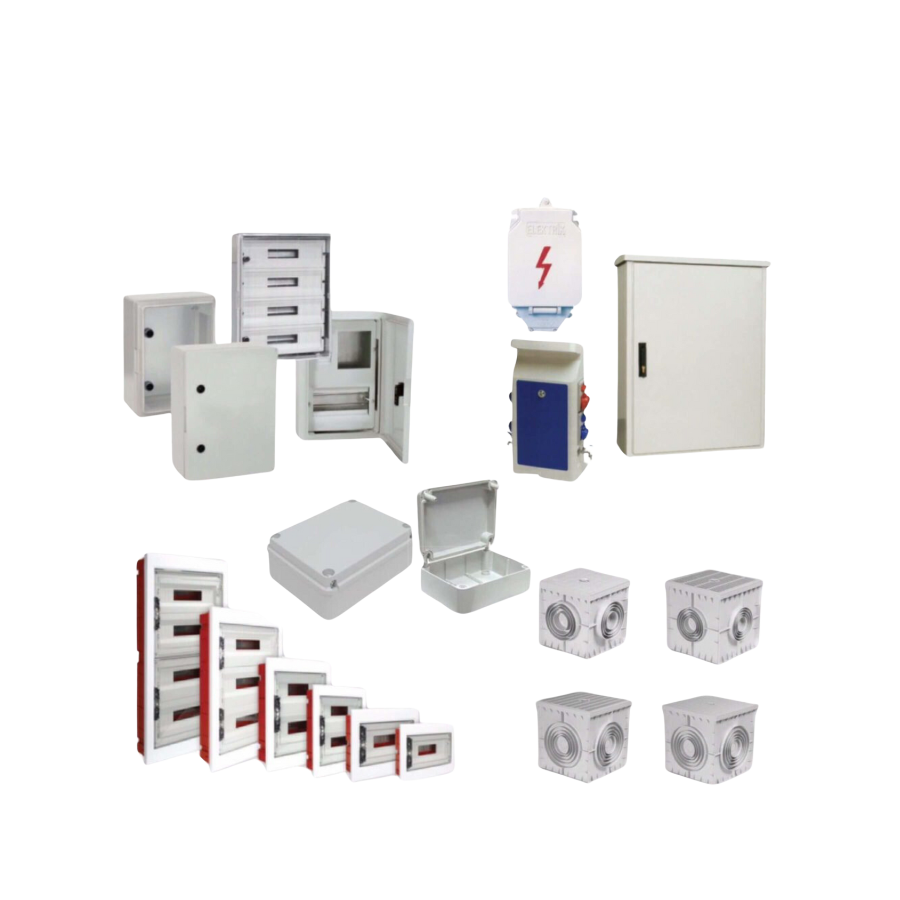
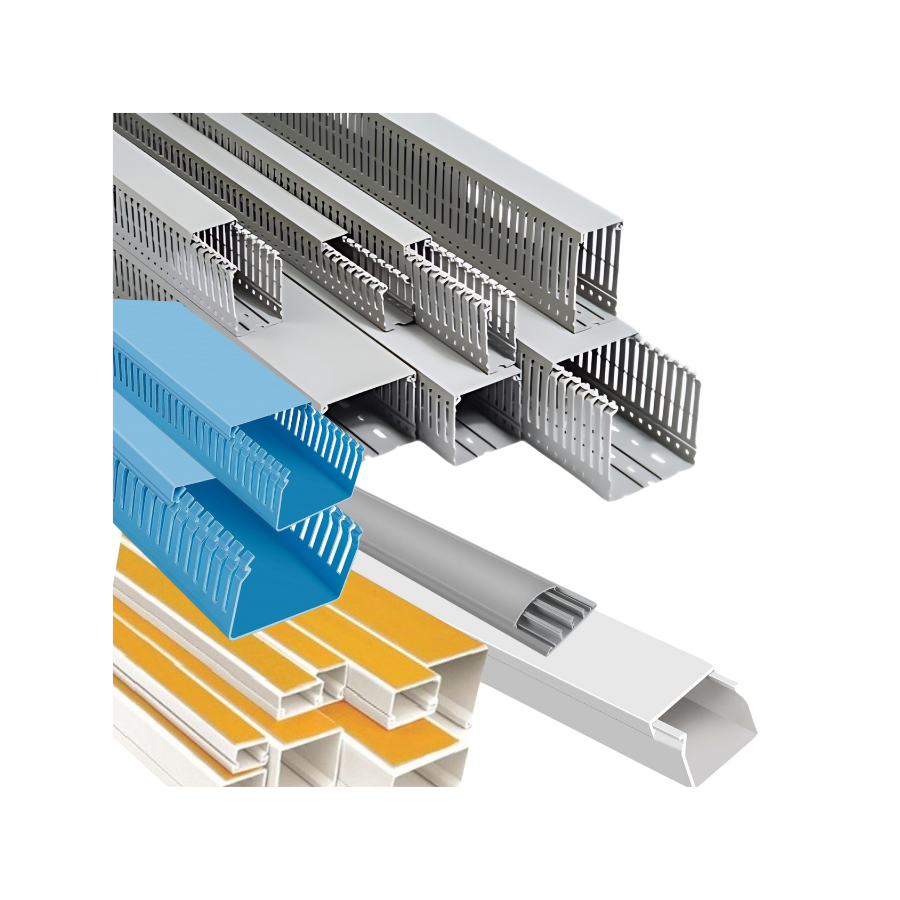
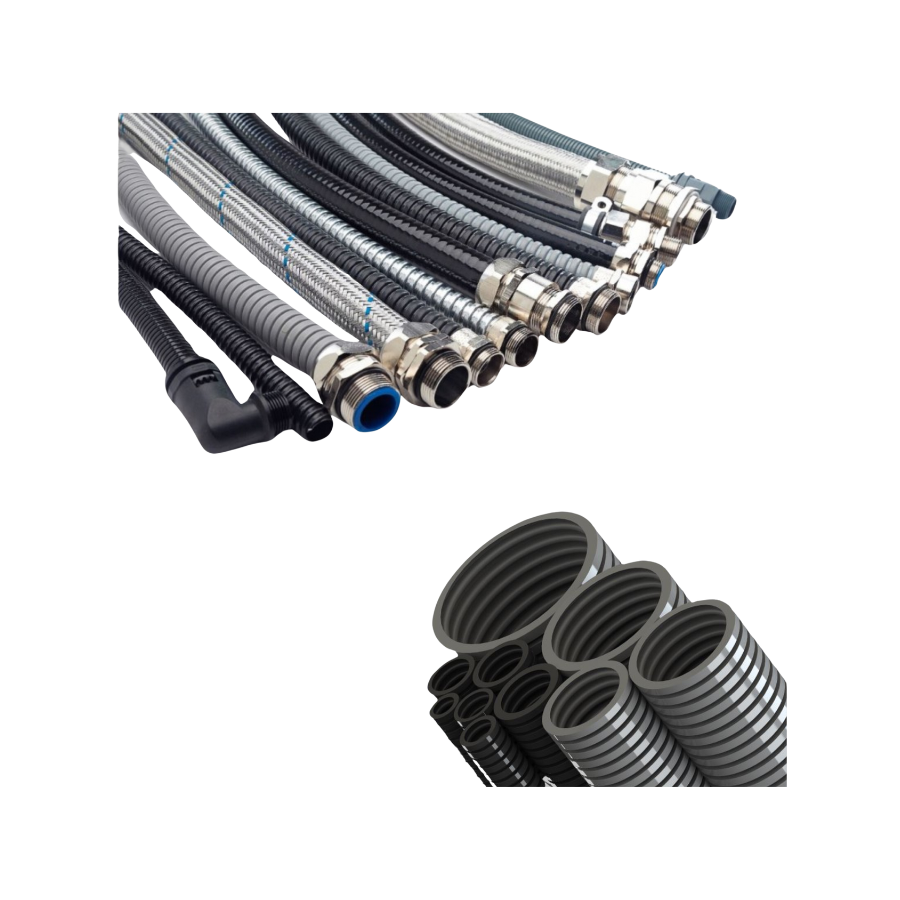
Waterproof Cable Glands are most effective when used as part of a complete cable management system. When combined with conduits, trunkings, and enclosures, they provide full protection from entry point to cable routing.
Explore compatible solutions here:
Cable Glands & Accessories.
Installation Tips from Real-World Practice
Even the best Waterproof Cable Glands can fail if installed incorrectly. Here are a few practical tips that make a real difference:
- Always match the gland size to the cable diameter
- Ensure the sealing ring is properly seated
- Avoid over-tightening, which can damage the seal
- Check the enclosure surface for proper contact
- Test the seal in critical applications
These small details often determine whether a system performs well over time or requires frequent maintenance.
Standards and Certifications
Reliable Waterproof Cable Glands comply with international standards that ensure safety and performance.
Learn more here:
IEC Standards.
Compliance with these standards ensures that products meet expectations in industrial and commercial applications.
Frequently Asked Questions (FAQ)
What are Waterproof Cable Glands used for?
They are used to seal cable entry points and prevent water or dust from entering electrical enclosures.
Are IP68 cable glands fully waterproof?
Yes, they are designed to withstand continuous exposure to water under specified conditions.
Can they be used outdoors?
Yes, Waterproof Cable Glands are specifically designed for outdoor and harsh environments.
Which material is better: nylon or brass?
Nylon is suitable for general use, while brass is preferred for industrial and heavy-duty applications.
Do they require maintenance?
Minimal maintenance is required if installed correctly.
Final Thoughts
Waterproof Cable Glands may seem like a small component, but they play a critical role in protecting electrical systems. By ensuring proper sealing, they help prevent failures, reduce maintenance, and improve overall reliability.
In real-world installations, the difference between a system that lasts and one that fails often comes down to details like this. Choosing the right Waterproof Cable Glands is one of those decisions that pays off over time.