Cable Entry Systems for Control Panels and Enclosures: Sealing and Routing Made Practical
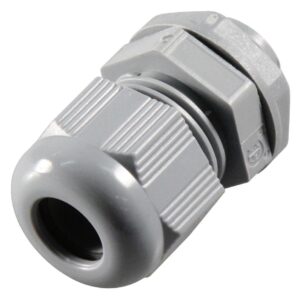
Why Cable Entry Systems Are Used in Modern Panels
In real electrical installations, especially in control panels and industrial enclosures, the challenge is not just bringing cables inside—it’s doing it in a clean, organized, and sealed way. This is where Cable Entry Systems come into play.
Instead of drilling multiple holes or using separate cable glands for every cable, these systems provide a structured way to route and seal multiple cables through a single entry point. For panel builders and OEM manufacturers, this approach saves time, improves layout quality, and reduces installation errors.
What Are Cable Entry Systems?
Cable Entry Systems are modular solutions designed to guide cables into enclosures while maintaining sealing, strain relief, and organization. They are commonly used in control panels, distribution boards, and industrial equipment.
A typical system includes a frame, sealing inserts, and sometimes split grommets. These components allow cables to pass through without compromising protection against dust or moisture.
Key Advantages of Cable Entry Systems
The reason Cable Entry Systems are increasingly preferred over traditional methods is their ability to simplify complex installations.
- Efficient cable routing: Multiple cables can be organized through one system
- Time-saving installation: Reduces drilling and assembly work
- Sealing performance: Protects against dust, air, and water ingress
- Flexibility: Easily adaptable for different cable sizes
- Maintenance-friendly: Cables can be added or replaced without dismantling the system
These advantages make Cable Entry Systems particularly valuable in large-scale or repetitive production environments.
Typical Applications in Industry
Cable Entry Systems are widely used across different industries where panel organization and sealing are important. Some common applications include:
- Control panels: Clean cable routing for automation systems
- Electrical enclosures: Organized cable entry in distribution boards
- Machinery manufacturing: Flexible cable management in equipment design
- Renewable energy systems: Cable entry solutions for solar inverters and control units
- Data and communication cabinets: Structured cable organization
In these environments, Cable Entry Systems help maintain both functionality and a professional appearance.
Modular vs Traditional Cable Entry Methods
Traditional methods such as drilling holes and using individual glands can work, but they often create limitations. Cable Entry Systems offer a more modern approach.
With modular designs, installers can adapt the system as needed. Adding new cables does not require redesigning the entire panel, which is a major advantage in dynamic projects.
Additionally, these systems reduce the risk of human error during installation, which is critical in complex setups.
Material and Design Considerations
Most Cable Entry Systems are made from high-quality plastics or elastomers that provide flexibility and sealing performance. The materials are typically resistant to environmental factors such as UV exposure, temperature changes, and mechanical stress.
- Flexible sealing inserts for different cable diameters
- Durable frames for long-term use
- Split designs for pre-terminated cables
- Compact structures for space optimization
These design features ensure that Cable Entry Systems meet both technical and practical requirements.
Integration with Cable Glands and Accessories
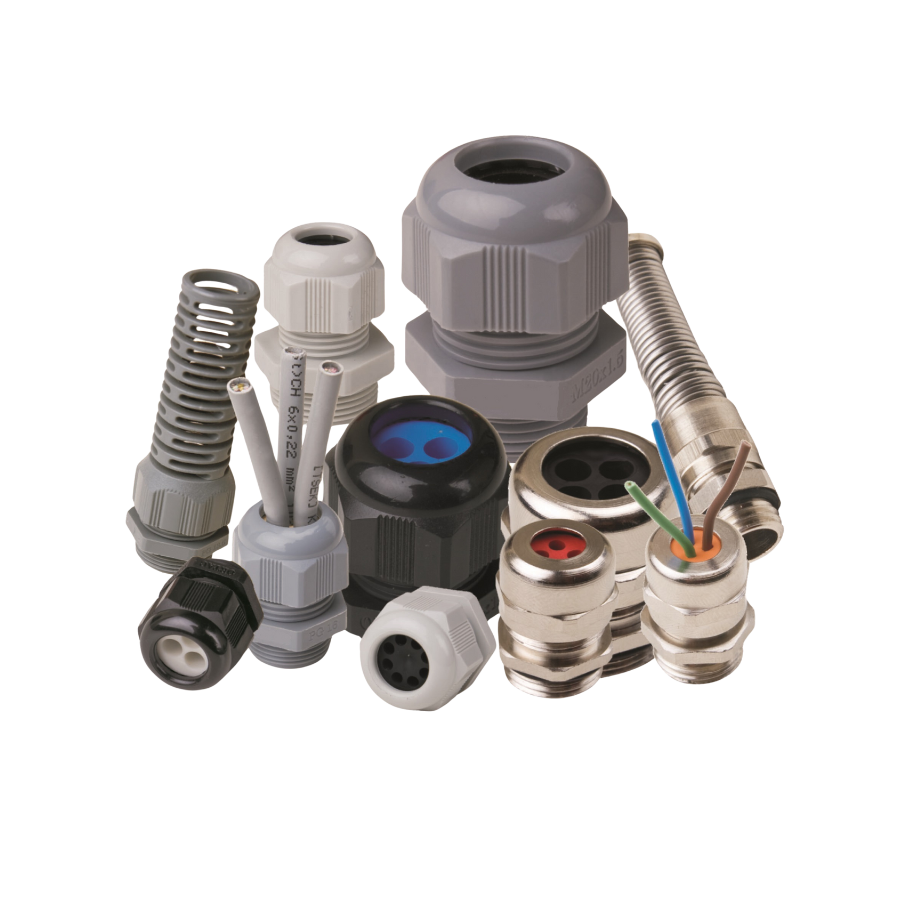
In many installations, Cable Entry Systems are used together with cable glands and other accessories. This combination allows for a complete cable management solution, covering both entry and routing.
Explore related products here:
Cable Glands & Accessories.
Using compatible components ensures consistency and improves overall system reliability.
Installation Tips from Practical Experience
From real-world projects, a few simple practices can significantly improve results when using Cable Entry Systems:
- Plan cable layout before installation
- Group cables by size and function
- Use appropriate sealing inserts
- Avoid over-compression of seals
- Leave space for future expansion
These steps help maintain both performance and flexibility over time.
Standards and Compliance
Cable Entry Systems are designed to meet international safety and performance standards, ensuring reliable operation in industrial environments.
Learn more here:
IEC Standards.
Compliance with these standards ensures that installations meet global expectations for safety and durability.
Frequently Asked Questions (FAQ)
What are Cable Entry Systems used for?
They are used to route and seal multiple cables entering electrical enclosures or control panels.
Are Cable Entry Systems better than cable glands?
They are not replacements but complementary solutions, especially useful for multiple cable entries.
Can they be used with pre-terminated cables?
Yes, many systems support split designs for easy installation.
Do they provide waterproof protection?
Yes, depending on the design and sealing components used.
Are they reusable?
Yes, most systems allow easy cable changes and upgrades.
Final Thoughts
Cable Entry Systems are not just about bringing cables into an enclosure—they are about doing it efficiently, safely, and in a way that supports long-term maintenance. For panel builders, installers, and engineers, they offer a practical solution that improves both workflow and final results.
In real applications, small improvements in cable entry design can make a big difference over time. Choosing the right Cable Entry Systems is one of those decisions that adds long-term value to any electrical installation.