PVC Rigid Conduits for Safe Electrical Installation and Long-Term Cable Protection
Why PVC Rigid Conduits Are Still One of the Most Reliable Wiring Solutions
In electrical installation projects, cable protection is often underestimated until problems start to appear. Mechanical damage, environmental exposure, and improper routing can all shorten the lifespan of an electrical system. This is exactly why PVC Rigid Conduits continue to be one of the most widely used solutions in both residential and industrial environments.
They offer a simple but highly effective method of enclosing and protecting electrical cables, ensuring that wiring remains safe, organized, and compliant with installation standards. Unlike flexible systems, rigid conduits provide a fixed and structured routing path, which is especially important in permanent installations.
What Are PVC Rigid Conduits?
PVC Rigid Conduits are solid, non-flexible pipes designed to protect electrical cables from external damage. They are manufactured from high-quality polyvinyl chloride (PVC), a material known for its durability, corrosion resistance, and lightweight structure.
These conduits are typically used to route electrical wiring through walls, ceilings, and floors, providing both physical protection and a clean installation appearance. Because of their rigidity, they are especially suitable for structured environments where cable routing does not require frequent changes.
Key Advantages of PVC Rigid Conduits
The popularity of PVC Rigid Conduits is not accidental. They offer a combination of performance, cost-efficiency, and ease of installation that makes them suitable for a wide range of applications.
- Mechanical protection: Shields cables from impact and external pressure
- Corrosion resistance: Performs well in humid and chemically stable environments
- Lightweight structure: Easy to transport and install on-site
- Cost-effective solution: Lower installation and material costs compared to metal conduits
- Electrical insulation: Non-conductive material improves safety
These benefits make PVC Rigid Conduits a practical choice for both small-scale and large infrastructure projects.
Where PVC Rigid Conduits Are Commonly Used
Due to their versatility, PVC Rigid Conduits are used in a wide range of environments:
- Residential buildings: Internal wiring protection in homes and apartments
- Commercial projects: Office buildings, shopping centers, and public facilities
- Industrial installations: Cable routing in controlled factory environments
- Infrastructure projects: Road lighting, tunnels, and utility networks
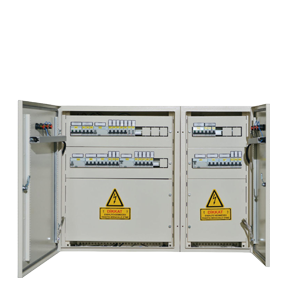
- Panel wiring systems: Structured cable management in electrical panels
In each of these applications, the goal is the same: protecting cables while maintaining an organized and safe installation.
Material Properties and Performance
PVC is widely used in electrical conduits because of its stable physical and chemical properties. PVC Rigid Conduits are resistant to moisture, many chemicals, and general wear and tear.
They also perform well under normal temperature conditions, making them suitable for indoor and semi-outdoor applications. However, for extreme environments or high-temperature exposure, alternative conduit materials may be considered.
Comparison with Other Conduit Systems
In electrical installations, different conduit types are available, including metal conduits and flexible systems. PVC Rigid Conduits offer a balanced solution between cost and performance.
Compared to metal conduits, they are easier to install and more cost-effective. Compared to flexible conduits, they provide better structural stability and long-term routing consistency.
Installation Considerations
Proper installation is essential to achieve the full benefits of PVC Rigid Conduits. Installers should consider the following points:
- Ensure correct conduit sizing based on cable load
- Use appropriate fittings and connectors
- Avoid sharp bends that may damage cables
- Secure conduits properly along installation paths
- Maintain accessibility for future maintenance
Following these practices helps ensure a long-lasting and reliable electrical infrastructure.
Integration with Cable Management Systems
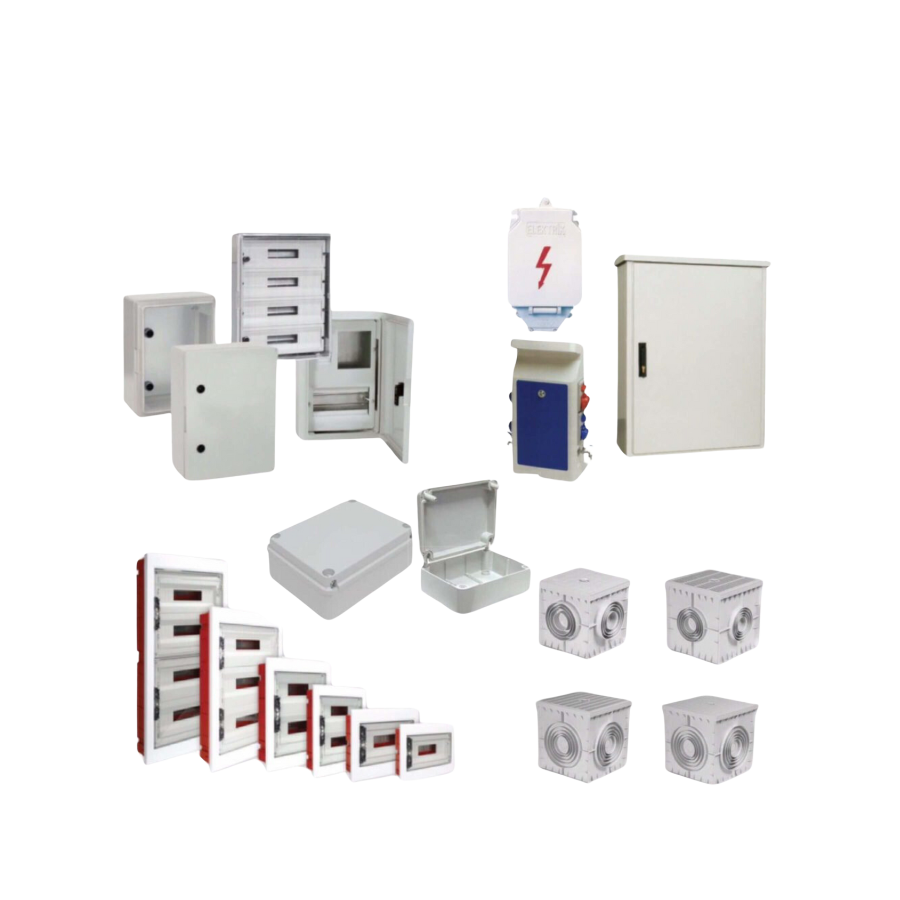
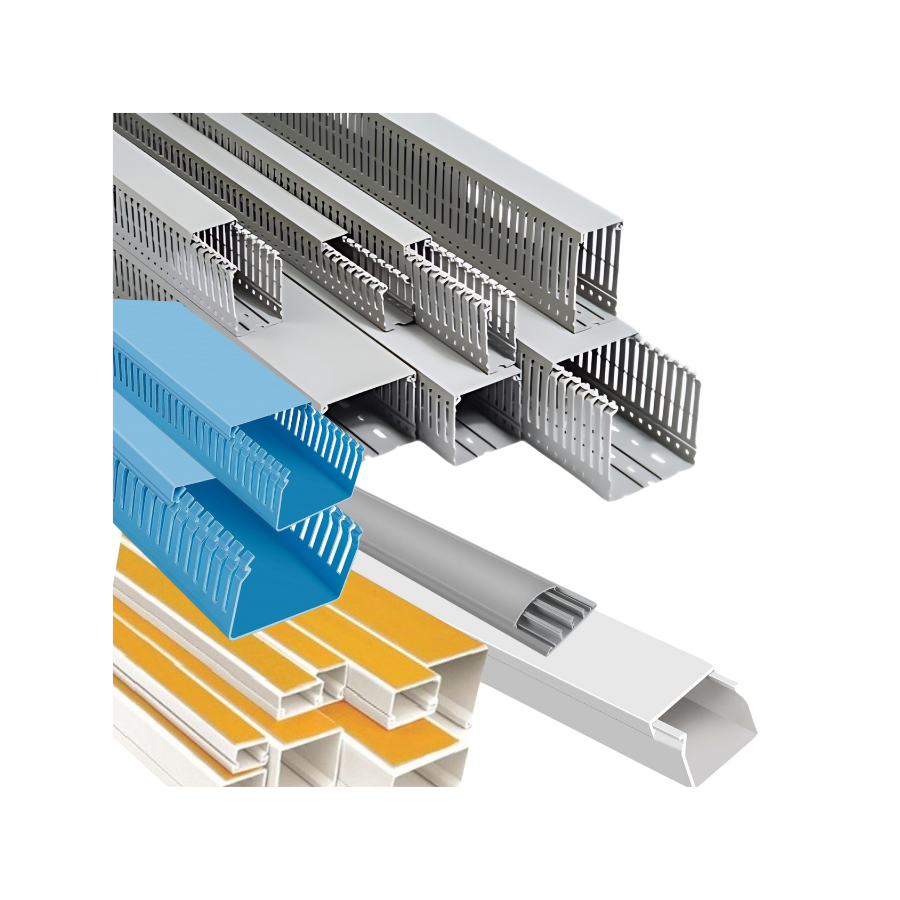
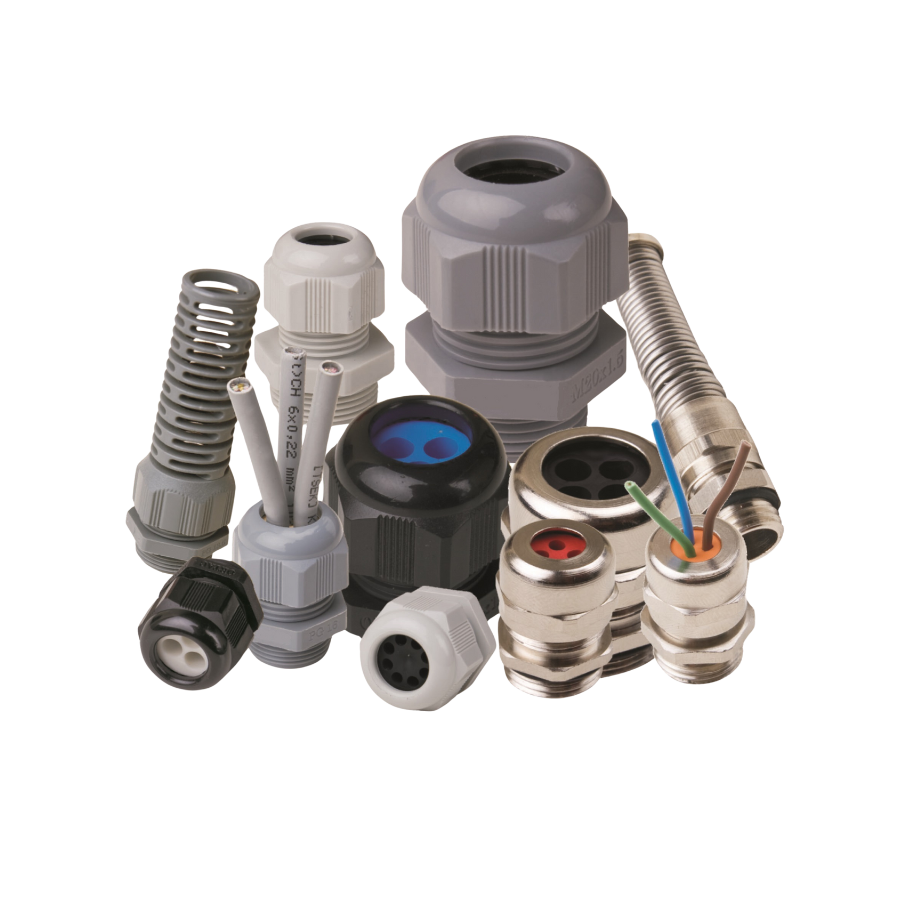
PVC Rigid Conduits are often used together with other cable management systems such as trunkings, junction boxes, and cable glands. This integrated approach improves both safety and efficiency in complex installations.
Explore compatible solutions here:
PVC Rigid Conduits Category.
Standards and Compliance
Electrical installation systems must comply with international safety standards to ensure reliability and safety. PVC Rigid Conduits are typically manufactured in accordance with relevant IEC guidelines.
Learn more:
IEC Standards.
Frequently Asked Questions (FAQ)
What are PVC Rigid Conduits used for?
They are used to protect and route electrical cables in fixed installations.
Are PVC Rigid Conduits suitable for outdoor use?
Yes, but they are best suited for protected or semi-outdoor environments.
What is the difference between rigid and flexible conduits?
Rigid conduits provide fixed routing, while flexible conduits allow movement and bending.
Are they safe for electrical wiring?
Yes, PVC is non-conductive and provides good electrical insulation.
Do they require maintenance?
Minimal maintenance is required once properly installed.
Final Thoughts
PVC Rigid Conduits remain one of the most practical and widely used solutions in electrical installations. Their balance of durability, cost efficiency, and ease of use makes them suitable for a wide range of projects.
In real-world applications, a well-designed conduit system is not just about cable protection—it is about ensuring long-term safety, reducing maintenance needs, and improving overall system organization. PVC Rigid Conduits continue to meet these expectations across industries and infrastructure projects.