Cable Lugs for High Current Connections in Industrial and Power Systems
Why Cable Lugs Are Critical in Power Distribution
In electrical systems where high current flows are involved, the quality of the connection becomes extremely important. This is where Cable Lugs play a key role. Unlike standard connectors, cable lugs are designed to handle higher loads while maintaining a stable and low-resistance connection.
In real installations, especially in industrial environments, weak or improperly installed connections can lead to overheating, energy loss, and even system failure. Using properly selected Cable Lugs helps prevent these issues and ensures long-term reliability.
What Are Cable Lugs?
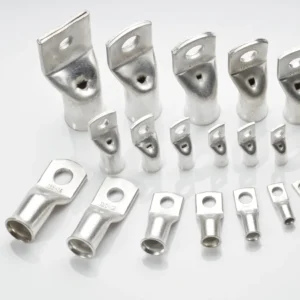
Cable Lugs are connectors used to terminate electrical cables and connect them securely to terminals, busbars, or electrical equipment. They are typically crimped or bolted onto the cable to create a strong mechanical and electrical connection.
These components are commonly used in power distribution systems, battery connections, and heavy-duty industrial installations.
Main Types of Cable Lugs
Different applications require different types of Cable Lugs. Understanding these types helps in selecting the right solution:
- Ring type lugs: Provide secure bolted connections
- Fork type lugs: Allow easier installation and removal
- Pin type lugs: Used for compact terminal connections
- Compression lugs: Designed for crimping applications
Each type of Cable Lugs serves a specific purpose depending on the installation requirements.
Material Options and Their Impact
The performance of Cable Lugs is highly influenced by the material used. The most common materials include:
- Copper lugs: Excellent conductivity and widely used in power systems
- Aluminum lugs: Lightweight and cost-effective for specific applications
- Tinned copper: Provides corrosion resistance and longer lifespan
Choosing the right material ensures optimal performance and compatibility with the cable and system.
Advantages of Using Cable Lugs
Using high-quality Cable Lugs offers several advantages:
- Strong electrical connection: Reduces resistance and heat generation
- Mechanical strength: Prevents loosening under vibration
- Long-term reliability: Ensures stable performance over time
- Ease of installation: Simple crimping or bolting process
These benefits make Cable Lugs essential for any high-performance electrical system.
Applications in Real Installations
Cable Lugs are used in a wide range of industries and applications:
- Power distribution panels: Connecting cables to busbars
- Industrial machinery: Reliable power connections
- Renewable energy systems: Solar and battery installations
- Automotive and transport: High-current connections
In all these applications, Cable Lugs ensure safe and efficient current flow.
Integration with Cable Accessories
Cable Lugs are often used together with terminals, cable ties, and other accessories to create a complete connection system.
Explore compatible products here:
Cable Accessories.
Installation Best Practices
Proper installation is critical for the performance of Cable Lugs:
- Use the correct crimping tool
- Ensure proper cable stripping
- Avoid under-crimping or over-crimping
- Check connection tightness
- Inspect for corrosion or damage
Attention to these details ensures reliable performance and safety.
Standards and Compliance
High-quality Cable Lugs comply with international standards to ensure safety and performance.
Learn more here:
IEC Standards.
Frequently Asked Questions (FAQ)
What are Cable Lugs used for?
They are used to connect cables to electrical equipment securely.
Are Cable Lugs suitable for high current?
Yes, they are specifically designed for high current applications.
How are Cable Lugs installed?
They are typically crimped or bolted onto the cable.
Which material is best?
Copper is widely preferred for its conductivity.
Do they require maintenance?
Minimal maintenance is needed if installed correctly.
Final Thoughts
Cable Lugs are essential for ensuring safe and efficient power distribution. Their role in maintaining strong electrical connections makes them a key component in industrial and energy systems.