Cable Terminals, Lugs and Cable Ties for Safe and Organized Electrical Connections
Why Small Components Make a Big Difference
In electrical systems, attention often goes to major components such as panels, breakers, or cables. However, the reliability of the entire system often depends on smaller elements like Cable Terminals, cable lugs, and cable ties. These components ensure that connections are secure, cables are organized, and installations remain stable over time.
Ignoring these details can lead to loose connections, overheating, or maintenance challenges. In real-world applications, properly selected Cable Terminals and accessories are what separate a clean installation from a problematic one.
What Are Cable Terminals?
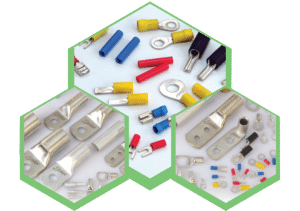
Cable Terminals are connectors used to terminate the end of a cable, allowing it to be securely attached to electrical equipment. They create a stable electrical connection while also providing mechanical strength.
Depending on the application, Cable Terminals can come in different shapes and types, including ring terminals, fork terminals, and pin terminals. Each type is designed for a specific connection method.
The Role of Cable Lugs in Power Connections
Cable lugs are often used in higher current applications where strong and reliable connections are required. While similar to Cable Terminals, cable lugs are typically larger and designed for heavy-duty use.
They are commonly used in power distribution systems, battery connections, and industrial installations. When properly installed, cable lugs ensure low resistance and stable current flow.
Cable Ties for Organization and Safety
While Cable Terminals and lugs focus on electrical connections, cable ties play a different but equally important role—organization. Cable ties help bundle cables together, keeping installations neat and reducing the risk of damage.
A well-organized system is not just visually clean; it also improves airflow, simplifies maintenance, and reduces installation errors.
Key Benefits of Using Cable Terminals and Accessories
The combined use of Cable Terminals, cable lugs, and cable ties provides several advantages:
- Reliable connections: Ensures stable electrical contact
- Improved safety: Reduces risk of loose or exposed wiring
- Better organization: Keeps cables structured and easy to manage
- Durability: Withstands mechanical and environmental stress
- Ease of maintenance: Simplifies troubleshooting and upgrades
These benefits contribute directly to the overall quality of the installation.
Applications Across Different Industries
Cable Terminals and related accessories are used in almost every type of electrical installation. Their versatility makes them essential in both small and large-scale projects.
- Industrial panels: Secure connections for control and power systems
- Energy systems: Reliable connections in distribution networks
- Automotive applications: Durable connections in vehicles
- Telecommunication systems: Organized cable routing
- Residential installations: Safe and clean wiring solutions
In each of these areas, Cable Terminals play a central role in ensuring performance and safety.
Choosing the Right Components
Selecting the correct Cable Terminals and accessories depends on several factors:
- Cable size and type
- Current rating requirements
- Environmental conditions
- Installation method
- Material compatibility
Making the right choice at this stage prevents issues later in the lifecycle of the system.
Integration with Cable Management Systems
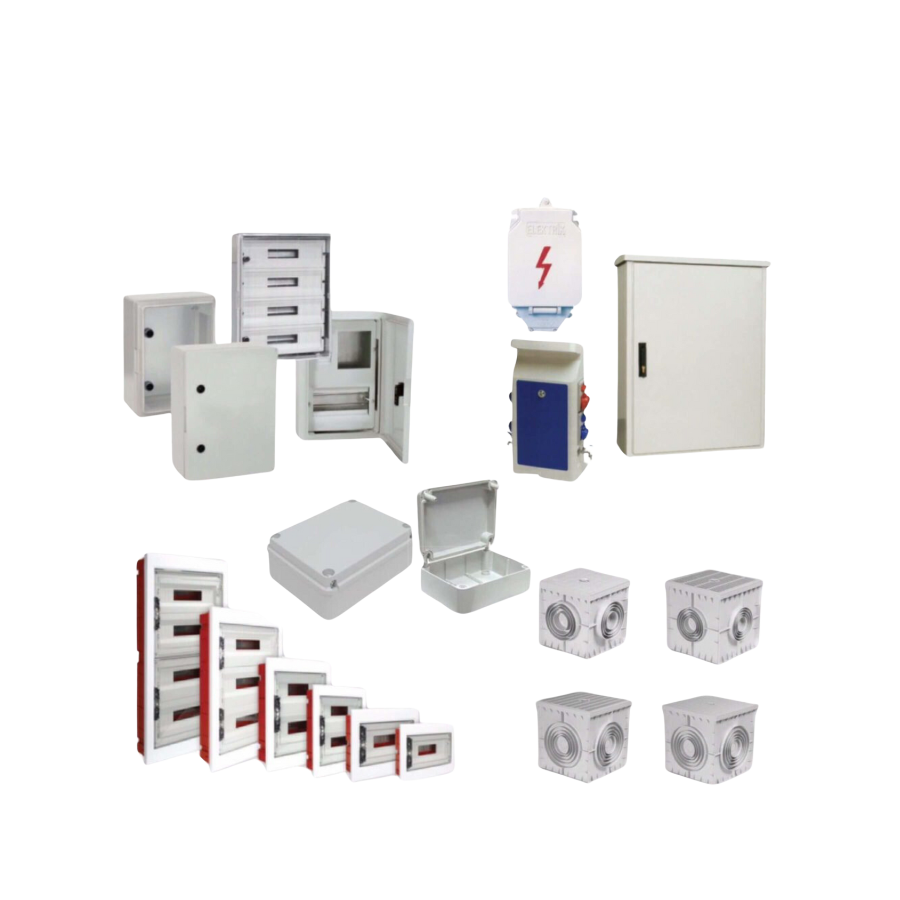
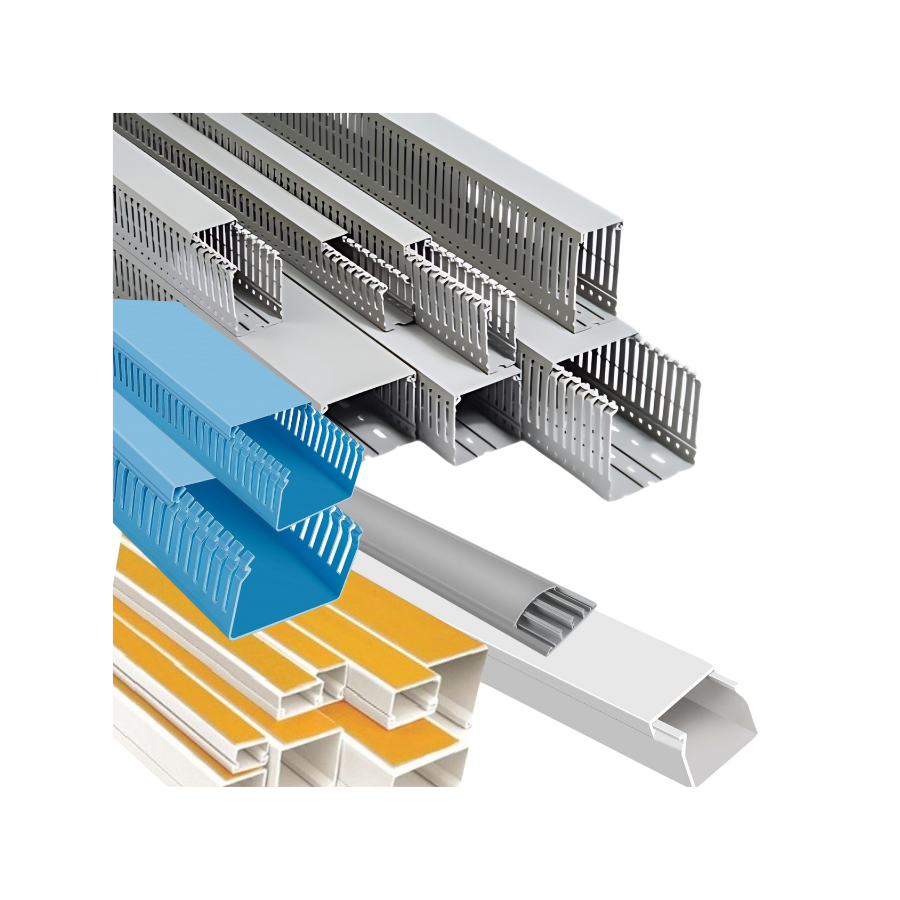
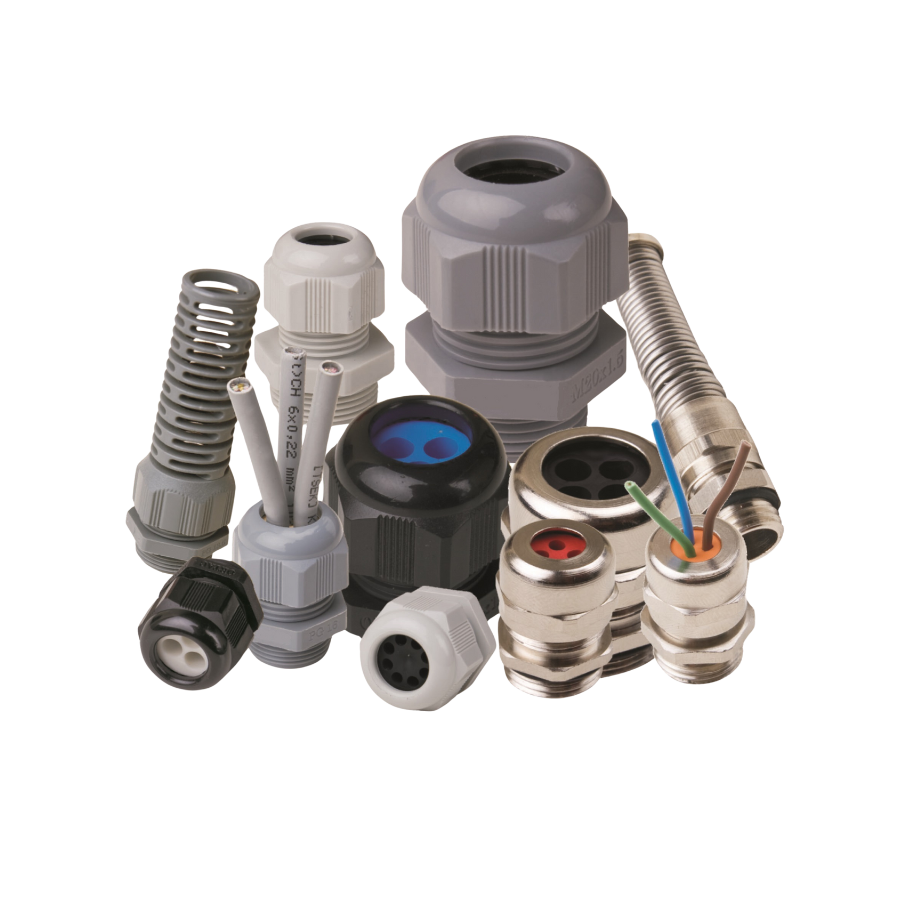
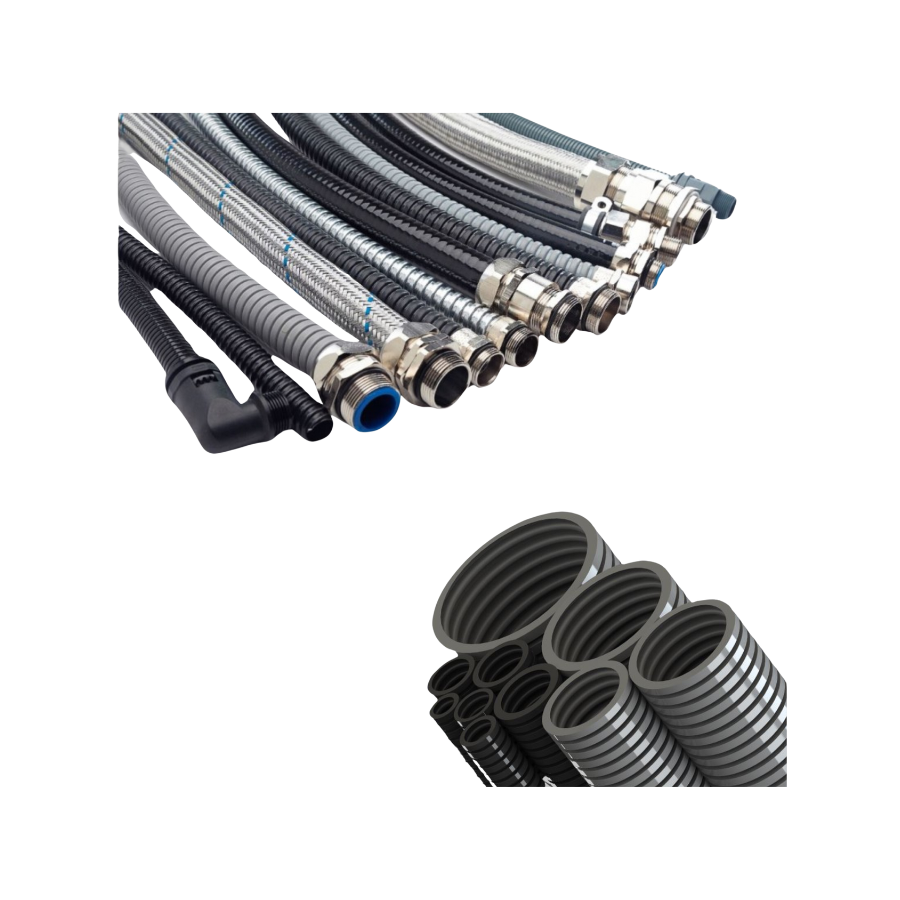
Cable Terminals work best when combined with proper cable management solutions. This includes conduits, trunkings, and cable entry systems, which together create a complete and reliable infrastructure.
Explore compatible solutions here:
Cable Accessories.
Installation Best Practices
Proper installation is essential for achieving the full benefits of Cable Terminals and related components:
- Use appropriate crimping tools
- Ensure proper insulation stripping
- Avoid over-tightening connections
- Check connections for stability
- Organize cables using cable ties
These simple steps significantly improve reliability and performance.
Standards and Compliance
Cable Terminals and cable lugs must comply with international standards to ensure safety and performance.
Learn more here:
IEC Standards.
Frequently Asked Questions (FAQ)
What are Cable Terminals used for?
They are used to connect cables securely to electrical equipment.
What is the difference between cable lugs and Cable Terminals?
Cable lugs are typically used for higher current applications, while terminals are used for general connections.
Why are cable ties important?
They help organize cables and improve overall system safety.
Are Cable Terminals reusable?
Most are designed for single use, especially crimped types.
Do these components affect system performance?
Yes, poor connections can lead to inefficiency and potential failures.
Final Thoughts
Cable Terminals, cable lugs, and cable ties may seem like minor components, but they have a major impact on system performance. From ensuring reliable connections to improving organization, they play a critical role in every installation.
In practice, paying attention to these details is what makes an electrical system not just functional, but dependable over time.