DIN Rail and Busbar Systems for Reliable and Efficient Electrical Distribution
The Importance of DIN Rail and Busbar Systems
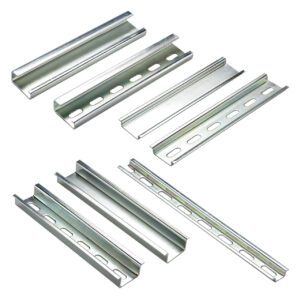
DIN Rail and Busbar Systems are fundamental components in modern electrical panels, enabling efficient mounting, structured organization, and reliable power distribution. As electrical systems continue to evolve with increasing complexity, the need for standardized and scalable infrastructure has become more critical than ever.
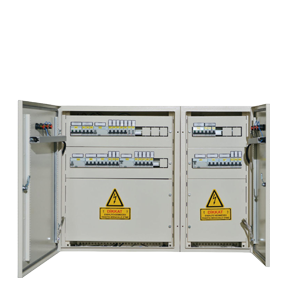
These systems provide a solid and organized framework for mounting circuit breakers, terminal blocks, relays, and other essential electrical components. By ensuring that each component is securely positioned and easily accessible, DIN Rail and Busbar Systems significantly improve both installation efficiency and long-term maintenance.
In real-world applications, well-organized panels are not just visually cleaner—they directly contribute to system safety, reduce downtime, and improve troubleshooting speed. This is why engineers and panel builders across the globe rely heavily on DIN Rail and Busbar Systems.
Advantages of DIN Rail Systems
DIN rail systems are widely recognized for their simplicity, flexibility, and efficiency. One of their main advantages is the ability to quickly mount and dismount components without requiring complex tools or modifications.
- Quick and easy component installation
- Standardized mounting across global applications
- Efficient use of panel space
- Reduced labor and installation time
- Improved accessibility for maintenance
These features make DIN Rail and Busbar Systems an essential part of modern electrical engineering, especially in projects where time efficiency and scalability are critical.
Additionally, DIN rails support modular system design. This allows engineers to expand or modify systems بسهولة without redesigning the entire panel. This flexibility is particularly valuable in industrial automation and smart infrastructure projects.
Busbar Systems for Efficient Power Distribution
Busbars play a vital role in distributing electrical power efficiently داخل panels. Unlike traditional wiring methods, busbars provide a centralized and low-resistance path for electrical current, reducing energy loss and improving system performance.
When integrated with DIN Rail and Busbar Systems, they create a highly efficient electrical infrastructure that minimizes wiring complexity. This not only reduces installation time but also enhances overall system reliability.
Busbars are especially useful in high-current applications where multiple circuits need to be supplied simultaneously. Their ability to handle large electrical loads while maintaining stability makes them indispensable in industrial environments.
Applications in Modern Electrical Systems
DIN Rail and Busbar Systems are used across a wide range of industries and applications. Their adaptability and performance make them suitable for both small-scale and large-scale projects.
- Industrial automation and control panels
- Power distribution boards
- Renewable energy systems such as solar and wind
- Commercial and residential electrical installations
- Data centers and infrastructure systems
In each of these applications, the goal is the same: to ensure reliable power distribution while maintaining a clean and organized panel layout. DIN Rail and Busbar Systems make this possible by providing a structured and efficient foundation.
Integration with Cable Management Solutions
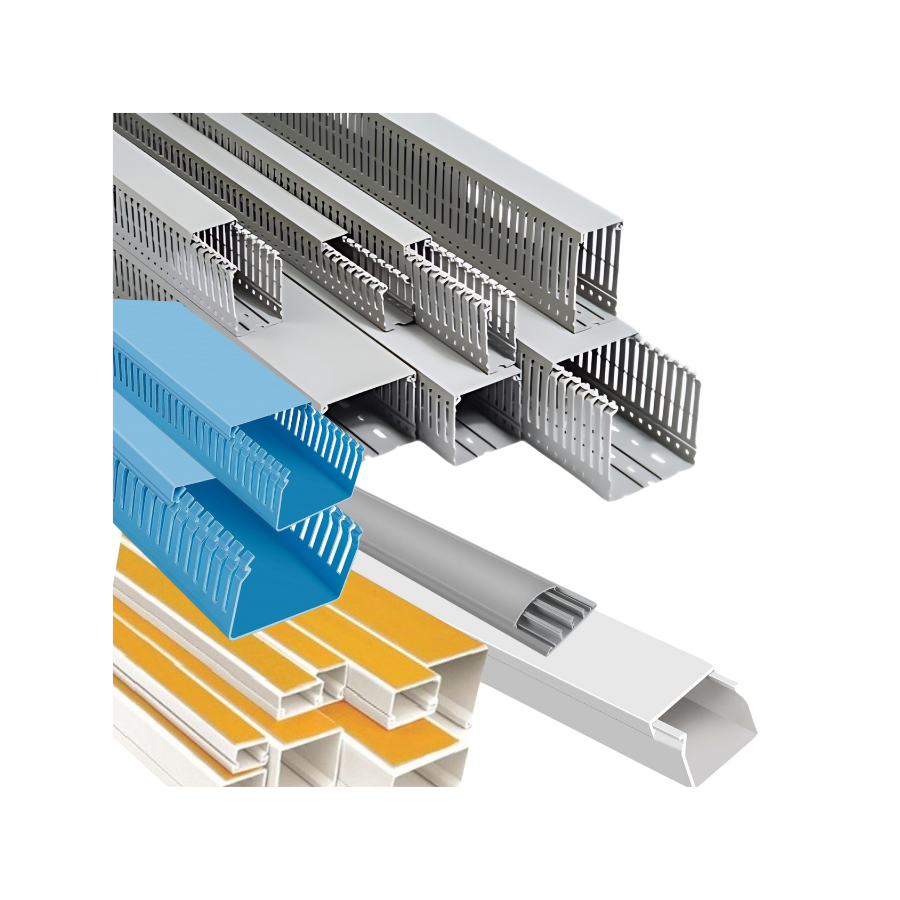
For optimal performance, DIN Rail and Busbar Systems should be integrated with effective cable management solutions such as slotted trunking systems. Proper cable routing ensures that electrical panels remain organized, safe, and easy to maintain.
Explore compatible solutions here:
Cable Trunking & Accessories.
Combining these systems improves airflow داخل panels, reduces clutter, and minimizes the risk of wiring errors. A well-integrated system not only performs better but also reflects a higher level of engineering quality.
Standards and Safety Compliance
DIN Rail and Busbar Systems are designed to meet international safety and performance standards. Compliance with these standards ensures that the systems can operate reliably under various environmental and electrical conditions.
These standards cover aspects such as material quality, electrical conductivity, mechanical strength, and thermal performance. For engineers and project managers, using compliant systems is essential for ensuring long-term reliability and safety.
For more information on international standards, visit:
IEC Standards.
Installation Best Practices
Even the best DIN Rail and Busbar Systems require proper installation to achieve maximum performance. Following best practices helps ensure safety, efficiency, and durability.
- Ensure proper alignment of DIN rails داخل panels
- Use compatible components and accessories
- Secure all mounting points firmly
- Avoid overloading busbars beyond their capacity
- Perform regular inspections and maintenance
Attention to detail during installation not only improves system performance but also extends the lifespan of the entire electrical setup.
Frequently Asked Questions (FAQ)
What is a DIN rail used for?
A DIN rail is used to mount electrical components such as circuit breakers, relays, and terminal blocks داخل control panels in a standardized way.
What are busbars?
Busbars are conductive metal bars used to distribute electrical power efficiently within a system, reducing the need for complex wiring.
Are DIN Rail and Busbar Systems standardized?
Yes, they follow international standards, ensuring compatibility and reliability across different applications and regions.
Do these systems reduce wiring complexity?
Yes, especially busbar systems, which simplify power distribution and reduce the number of cables داخل panels.
Where are these systems commonly used?
They are widely used in industrial automation, commercial electrical systems, and power distribution panels.
Built for Efficiency, Designed for Real Applications
DIN Rail and Busbar Systems are more than just installation components—they are the backbone of efficient electrical design. By providing structure, reliability, and scalability, they enable engineers to build systems that perform consistently under real-world conditions.
At Onelecs, we understand that every installation has unique challenges. That’s why our solutions are designed with practicality in mind. Because in real applications, efficiency is not just about design—it’s about how well systems perform over time, under pressure, and in everyday use.