Flexible Metal Conduits: Durable Solutions for Electrical Protection
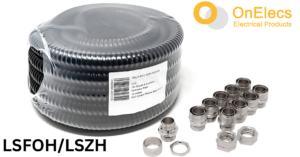
Why Flexible Metal Conduits Are Essential in Modern Electrical Installations
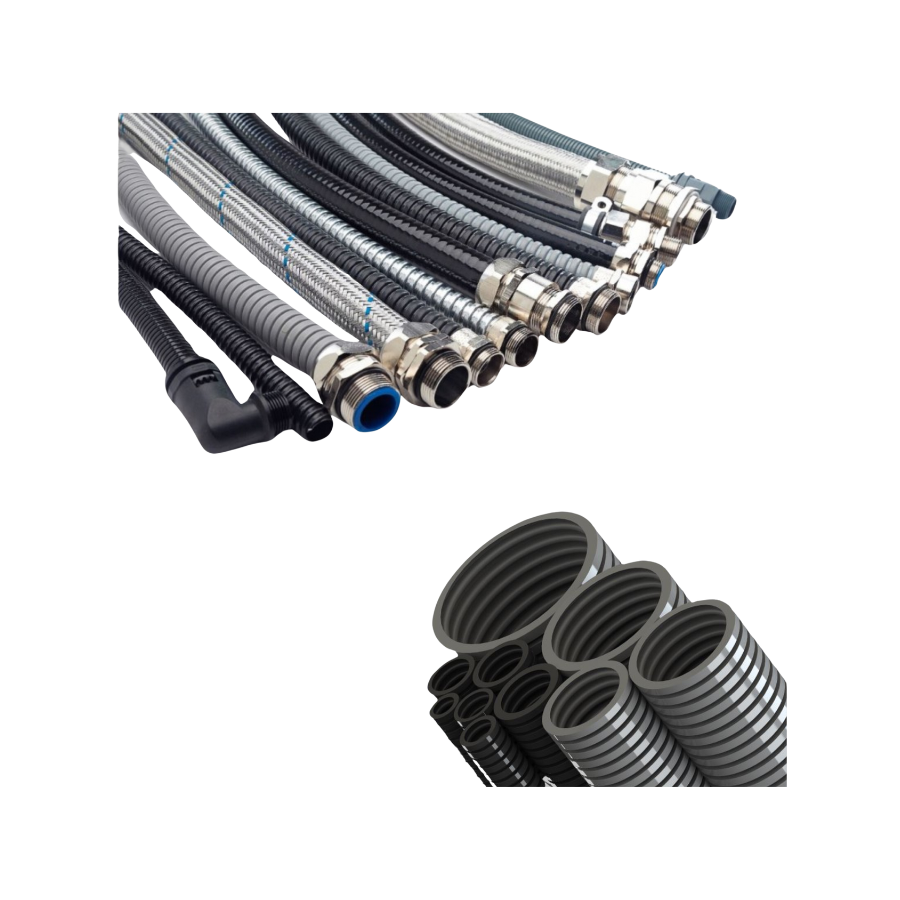
In industrial and commercial electrical systems, protecting cables from mechanical damage, environmental factors, and operational wear is crucial. Flexible Metal Conduits provide a robust, adaptable solution for routing electrical wiring safely and efficiently. Unlike rigid conduits, these flexible systems allow for easy installation in tight spaces, curved pathways, or complex layouts without compromising protection.
Flexible metal conduits are particularly valuable in environments where vibration, movement, or expansion occurs. By offering mechanical strength and adaptability, they safeguard electrical systems, reduce maintenance needs, and extend the life of cables.
Material Variations: PVC, LSFOH, and LSF Coatings
Modern Flexible Metal Conduits are available in several coatings to meet specific installation requirements:
- PVC Coated: Provides excellent corrosion resistance, electrical insulation, and durability in wet or chemical-prone environments.
- LSFOH Coated (Low Smoke, Free of Halogen): Minimizes toxic smoke emissions in case of fire, making it ideal for indoor commercial applications.
- LSF Coated (Low Smoke Flexible): Offers similar safety benefits with enhanced flexibility for tighter bends.
Choosing the right coating depends on the environmental conditions, regulatory requirements, and specific installation needs.
Advantages of Flexible Metal Conduits
Flexible Metal Conduits offer several critical advantages over traditional rigid conduits:
- Flexibility: Easily routed through complex pathways or around obstacles without additional fittings.
- Durability: Resistant to crushing, impact, and abrasion, protecting cables over time.
- Fire Safety: LSFOH and LSF options reduce smoke and toxic emissions.
- Corrosion Resistance: PVC coatings protect against moisture, chemicals, and outdoor exposure.
- Ease of Maintenance: Cables can be added or replaced without dismantling the entire system.
These features make flexible metal conduits indispensable for modern industrial and commercial electrical installations.
Applications Across Industries
Flexible Metal Conduits are used in a wide variety of applications:
- Industrial Facilities: Protect wiring in factories, machine tools, and automated production lines.
- Commercial Buildings: Safe routing of power and data lines in offices, hospitals, and schools.
- Outdoor Installations: PVC-coated options resist environmental wear in exterior lighting and signage.
- Specialty Environments: Low-smoke options for underground or confined spaces where fire safety is critical.
In each application, flexible conduits provide organized, secure, and long-lasting cable protection.
Integration with Conduit Fittings
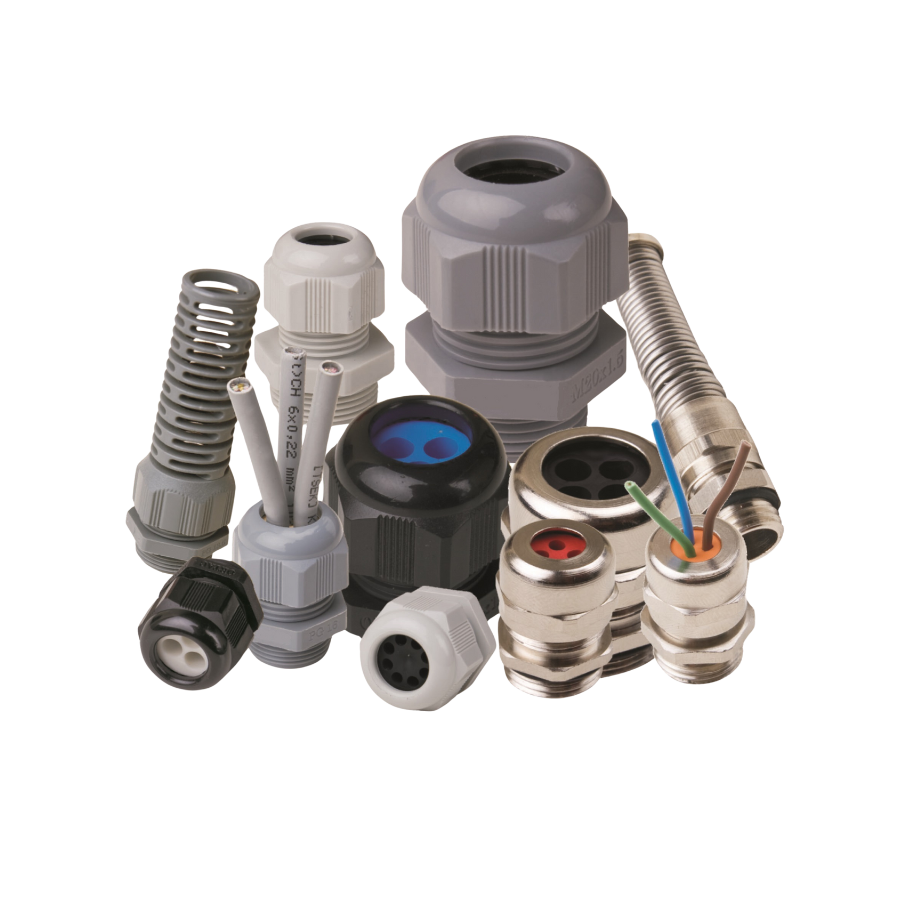
Flexible Metal Conduits work seamlessly with various fittings, including straight connectors, elbows, and liquid-tight conduit fittings. Proper integration ensures secure electrical connections, prevents ingress of moisture or dust, and maintains compliance with safety regulations.
Explore compatible fittings here:
Flexible Conduits & Fittings.
Installation Best Practices
Installing Flexible Metal Conduits correctly maximizes safety and system longevity:
- Plan conduit routes to minimize sharp bends and excessive stress on cables.
- Use proper fittings and connectors to maintain liquid-tight or dust-tight seals.
- Secure conduits with clips or straps to prevent movement and vibration.
- Ensure that coated conduits are not damaged during bending or installation.
- Regularly inspect conduits for signs of wear, corrosion, or mechanical damage.
Following these practices ensures optimal performance and durability of the electrical system.
Compliance and Safety Standards
Flexible Metal Conduits must meet international standards to ensure safety and reliability. Common references include:
- IEC Standards for electrical installation and protection
- UL certification for conduit material and fire resistance
- National electrical codes applicable to commercial and industrial installations
Compliance guarantees that conduits provide adequate mechanical protection, insulation, and fire safety.
Frequently Asked Questions (FAQ)
What are Flexible Metal Conduits?
Flexible Metal Conduits are protective tubing systems made of steel or aluminum, often coated with PVC, LSFOH, or LSF, designed to route and protect electrical wiring.
Why choose flexible over rigid conduits?
They allow easier installation in complex or tight spaces and provide protection against vibration and movement, reducing the need for additional fittings.
Can they be used outdoors?
Yes, especially PVC-coated flexible conduits, which resist moisture, UV, and chemical exposure.
What are liquid-tight fittings?
Liquid-tight conduit fittings seal the conduit system against water or dust ingress, ideal for harsh environments.
Are they fire-safe?
Yes, LSFOH and LSF coated conduits produce low smoke and halogen-free emissions in case of fire.
Conclusion
Flexible Metal Conduits are an essential component of modern electrical installations, combining durability, flexibility, and safety. Available in PVC, LSFOH, or LSF coatings, these conduits protect cables in a wide variety of industrial, commercial, and outdoor applications. Proper installation with compatible fittings ensures long-term performance, compliance with safety standards, and a clean, professional installation. By choosing high-quality flexible conduits, engineers and electricians can achieve reliable, organized, and secure electrical systems.