Powerful Liquid Tight Conduit Fittings for Secure and Leak-Proof Cable Installations
Why Liquid Tight Conduit Fittings Are Essential
In any electrical installation, the strength of the system is only as reliable as its weakest connection point. While conduits protect cables along their route, it is the Liquid Tight Conduit Fittings that ensure complete sealing at joints and terminations. Without proper fittings, even the highest quality conduit system can be exposed to moisture, dust, and mechanical failure.
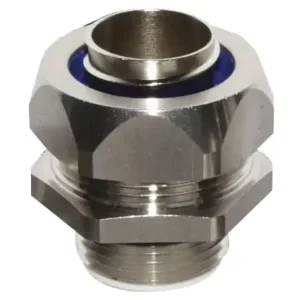
Liquid Tight Conduit Fittings are specifically engineered to create a secure, sealed connection between conduits, enclosures, and equipment. In demanding environments such as industrial plants, outdoor installations, or wet locations, these fittings play a critical role in maintaining system integrity.
Understanding Different Types of Conduit Fittings
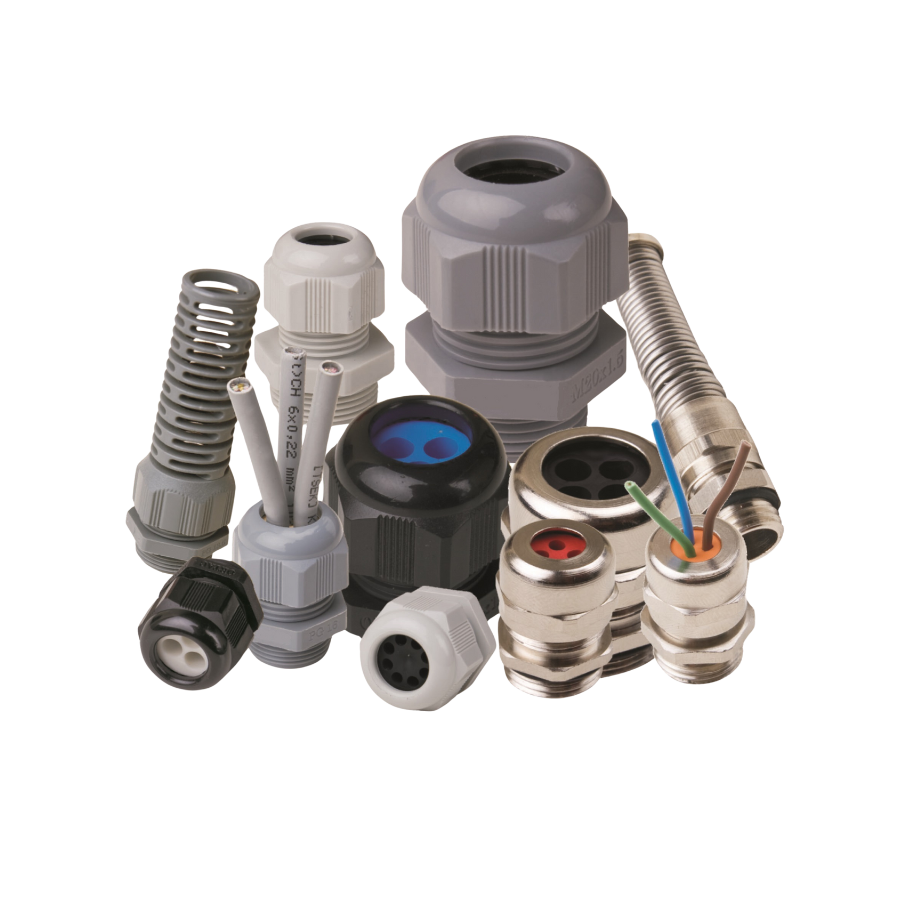
Liquid Tight Conduit Fittings come in several types, each designed for specific applications and installation needs. Choosing the correct type ensures both performance and compliance.
- Straight fittings: Used for direct connections between conduit and equipment.
- 90-degree fittings: Ideal for routing conduits around corners or tight spaces.
- Connectors and couplings: Join two conduit sections securely.
- Liquid-tight connectors: Provide a sealed connection that prevents water ingress.
Each type of Liquid Tight Conduit Fittings is designed to ensure continuity, flexibility, and sealing performance within the electrical system.
Key Benefits of Liquid Tight Conduit Fittings
The use of Liquid Tight Conduit Fittings offers multiple benefits that go beyond simple connectivity:
- Leak-proof protection: Prevents water, oil, and dust from entering the system.
- Secure connections: Ensures cables remain stable and protected.
- Durability: Resistant to corrosion, vibration, and mechanical stress.
- Easy installation: Designed for quick and efficient assembly.
- Compatibility: Works seamlessly with liquid tight conduits and flexible conduit systems.
These advantages make Liquid Tight Conduit Fittings essential in environments where reliability is critical.
Applications in Real-World Installations
Liquid Tight Conduit Fittings are used across a wide range of industries and applications. Their ability to provide sealed connections makes them indispensable in environments where exposure to moisture or contaminants is unavoidable.
- Industrial automation: Protect connections in machinery and production lines.
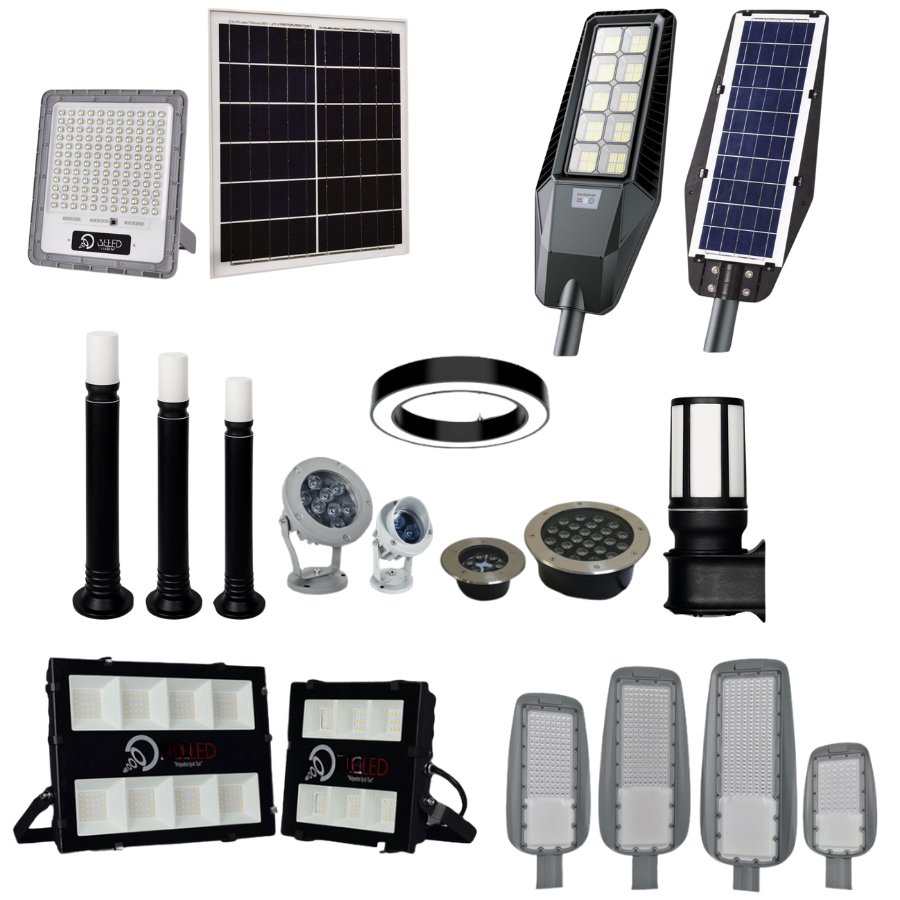
- Outdoor electrical systems: Ensure weatherproof cable routing in lighting and security installations.
- HVAC systems: Secure wiring in heating, ventilation, and air conditioning units.
- Marine environments: Provide corrosion-resistant connections in coastal or humid areas.
- Food processing facilities: Support hygienic and sealed installations.
In each of these applications, Liquid Tight Conduit Fittings ensure that electrical systems remain protected and operational.
Material Options and Performance
Liquid Tight Conduit Fittings are typically manufactured from materials such as brass, stainless steel, or high-grade plastic. Each material offers specific advantages depending on the application:
- Brass fittings: Excellent corrosion resistance and durability
- Stainless steel: Ideal for extreme environments and chemical exposure
- Plastic fittings: Lightweight and cost-effective for general use
Choosing the right material for Liquid Tight Conduit Fittings ensures long-term performance and compatibility with the overall conduit system.
Integration with Flexible Conduit Systems
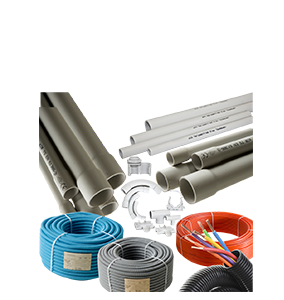
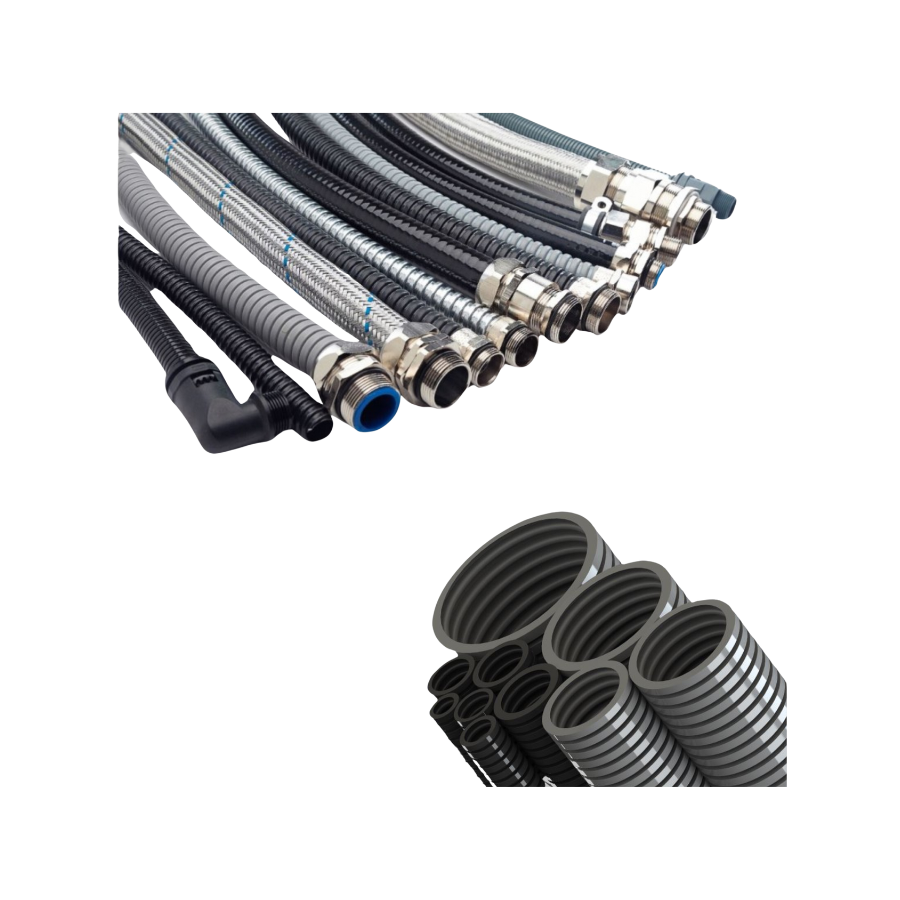
For optimal performance, Liquid Tight Conduit Fittings should always be used with compatible conduit systems. When properly integrated, they create a complete, sealed cable protection solution.
Explore compatible systems here:
Flexible Conduits & Accessories.
Proper integration ensures that both conduits and fittings work together to maintain system integrity.
Installation Best Practices
Even the highest quality Liquid Tight Conduit Fittings require correct installation to perform effectively. Following best practices ensures long-term reliability:
- Use the correct size and type of fittings for the conduit
- Ensure all seals and gaskets are properly installed
- Tighten fittings securely without over-torquing
- Avoid damaging threads during installation
- Inspect connections regularly for wear or loosening
Attention to detail during installation significantly improves system performance and lifespan.
Standards and Compliance
Liquid Tight Conduit Fittings must comply with international safety and performance standards to ensure reliability in demanding environments.
Learn more about global standards here:
IEC Standards.
Compliance guarantees that fittings meet requirements for mechanical strength, sealing performance, and electrical safety.
Frequently Asked Questions (FAQ)
What are Liquid Tight Conduit Fittings?
They are connectors used to join conduits and equipment while providing a sealed, leak-proof connection.
Why are they important?
They prevent water, dust, and contaminants from entering electrical systems.
Are they suitable for outdoor use?
Yes, they are designed for outdoor and harsh environments.
Do they work with all conduits?
They are compatible with liquid tight conduits and many flexible conduit systems.
Are they easy to install?
Yes, most designs allow quick and secure installation.
Conclusion
Liquid Tight Conduit Fittings are a critical component of any reliable cable protection system. They ensure secure, leak-proof connections that protect electrical installations from environmental damage and mechanical stress. When used with high-quality conduit systems, they create a complete solution that is safe, durable, and efficient.
At Onelecs, we understand that every connection matters. That’s why our solutions are designed to deliver performance where it counts most—in real-world applications.