Ultimate Liquid Tight Flex Conduits for Waterproof and Reliable Cable Protection
Why Liquid Tight Flex Conduits Are Critical in Harsh Environments
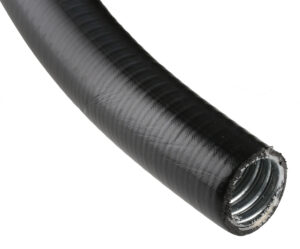
Electrical installations are often exposed to challenging conditions such as moisture, dust, oils, and extreme temperatures. In such environments, standard conduit systems may not provide sufficient protection. This is where Liquid Tight Flex Conduits become essential. Designed to prevent water and contaminants from entering electrical systems, they ensure reliable operation even in the most demanding conditions.
From industrial plants to outdoor installations, liquid tight solutions are widely used to protect cables and maintain system integrity. Their ability to combine flexibility with high sealing performance makes them a preferred choice for engineers and installers.
What Makes Liquid Tight Flex Conduits Different?
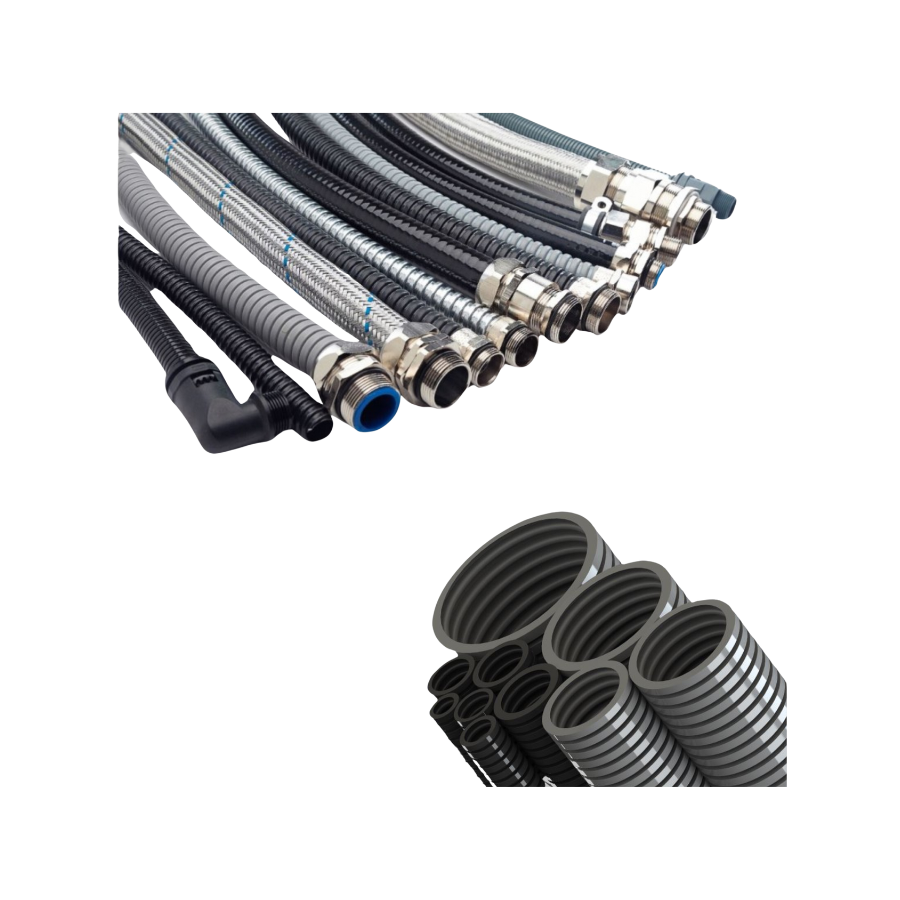
Unlike traditional conduit systems, Liquid Tight Flex Conduits are specifically engineered with an outer protective layer—usually PVC or thermoplastic—that seals the internal metal core. This construction provides both mechanical strength and environmental resistance.
The result is a conduit system that not only protects against physical damage but also ensures that water, oil, and dust cannot penetrate the wiring inside. This makes them ideal for installations where exposure to liquids is unavoidable.
Key Advantages of Liquid Tight Flex Conduits
Liquid Tight Flex Conduits offer several advantages that make them indispensable in modern electrical systems:
- Waterproof Protection: Prevents water ingress in wet or outdoor environments.
- High Flexibility: Easily adapts to complex routing paths and tight spaces.
- Corrosion Resistance: Outer coating protects against chemicals and harsh conditions.
- Durability: Resistant to mechanical stress, vibration, and abrasion.
- Long Service Life: Reduces maintenance and replacement costs.
These features allow Liquid Tight Flex Conduits to perform reliably where standard conduits would fail.
Applications Across Industries
Liquid Tight Flex Conduits are widely used in applications where environmental protection is critical. Their versatility makes them suitable for a variety of industries:
- Industrial Facilities: Protection of machinery wiring exposed to oils, chemicals, and vibration.
- Outdoor Installations: Lighting systems, security cameras, and signage exposed to rain and humidity.
- Food and Beverage Industry: Hygienic environments requiring washdown-safe cable protection.
- HVAC Systems: Flexible routing for air conditioning and ventilation equipment.
- Marine and Coastal Areas: Resistance to moisture and corrosion.
In all these environments, Liquid Tight Conduits ensure that electrical systems remain protected, functional, and safe.
Material Options and Performance
Liquid Tight Flex Conduits are typically constructed with a flexible metal core combined with a durable outer jacket. The outer layer is often made of PVC or similar materials that provide insulation and resistance to environmental factors.
Depending on the application, different material options may be preferred. For example, UV-resistant coatings are ideal for outdoor use, while oil-resistant materials are better suited for industrial environments. Choosing the right material ensures optimal performance and longevity.
Integration with Conduit Fittings
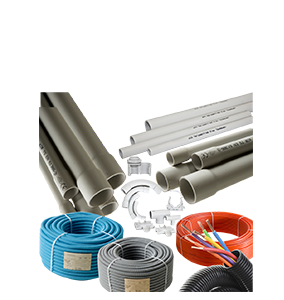
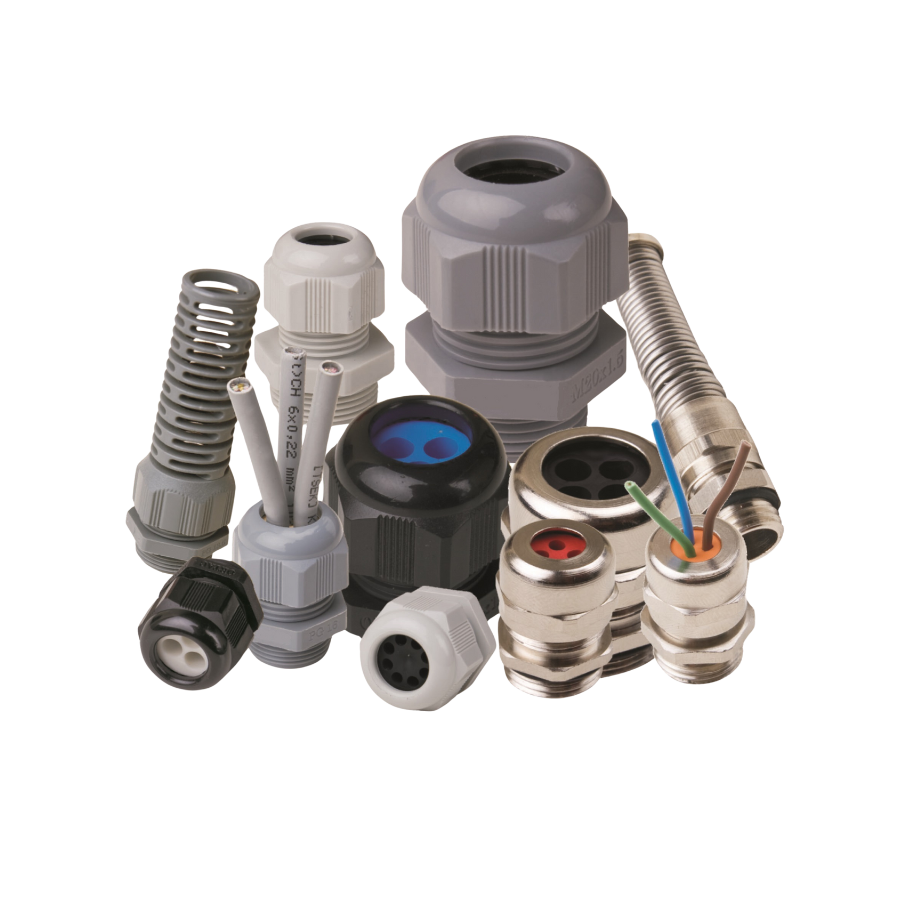
To achieve full protection, Liquid Tight Flex Conduits must be used with compatible fittings. Liquid-tight flex conduit fittings create a secure seal at connection points, preventing leaks and ensuring system integrity.
Explore compatible products here:
Flexible Conduits & Accessories.
Proper integration with fittings is essential for maintaining waterproof performance across the entire system.
Installation Best Practices
Correct installation plays a key role in the effectiveness of Liquid Tight Flex Conduits. Following best practices ensures maximum protection and durability:
- Use appropriate liquid-tight fittings for all connections
- Avoid excessive bending that may damage the outer coating
- Secure conduits properly to prevent movement and vibration
- Inspect seals and connections during installation
- Perform periodic maintenance checks
Attention to these details helps maintain system performance over time and prevents costly failures.
Standards and Compliance
High-quality Liquid Tight Flex Conduits comply with international standards to ensure safety and reliability. These include electrical performance, fire resistance, and environmental protection requirements.
Learn more about global standards here:
IEC Standards.
Compliance with these standards ensures that the conduits meet the necessary safety and performance benchmarks for industrial and commercial use.
Frequently Asked Questions (FAQ)
What are Liquid Tight Flex Conduits used for?
They are used to protect electrical cables from water, dust, and harsh environmental conditions.
Can they be used outdoors?
Yes, they are specifically designed for outdoor and wet environments.
Are they flexible?
Yes, they provide excellent flexibility while maintaining strong protection.
Do they require special fittings?
Yes, liquid-tight fittings are necessary to ensure proper sealing.
Are they suitable for industrial use?
Absolutely, they are widely used in industrial facilities where durability and protection are critical.
Reliable Protection for Demanding Applications
Liquid Tight Flex Conduits are a critical solution for protecting electrical systems in challenging environments. Their combination of flexibility, durability, and waterproof performance makes them indispensable in modern installations.
At Onelecs, we focus on delivering conduit solutions that meet real-world requirements. Because in demanding environments, reliable protection is not just an advantage—it is a necessity.