LSZH and LSFOH Flexible Metal Conduits for Fire-Safe Electrical Installations
Why Fire Safety Has Changed the Way We Design Cable Protection Systems
In modern electrical installations, safety expectations have evolved far beyond basic insulation and mechanical protection. Today, one of the most important requirements—especially in public buildings, transport systems, and industrial facilities—is fire performance. This is where LSZH Flexible Metal Conduits play a critical role.
LSZH stands for Low Smoke Zero Halogen, and LSFOH refers to Low Smoke Fume Zero Halogen materials. Both are designed to reduce toxic gas emissions and smoke density in the event of fire. In real-world situations such as tunnels, airports, and industrial plants, this can directly affect evacuation safety and visibility.
What Are LSZH Flexible Metal Conduits?
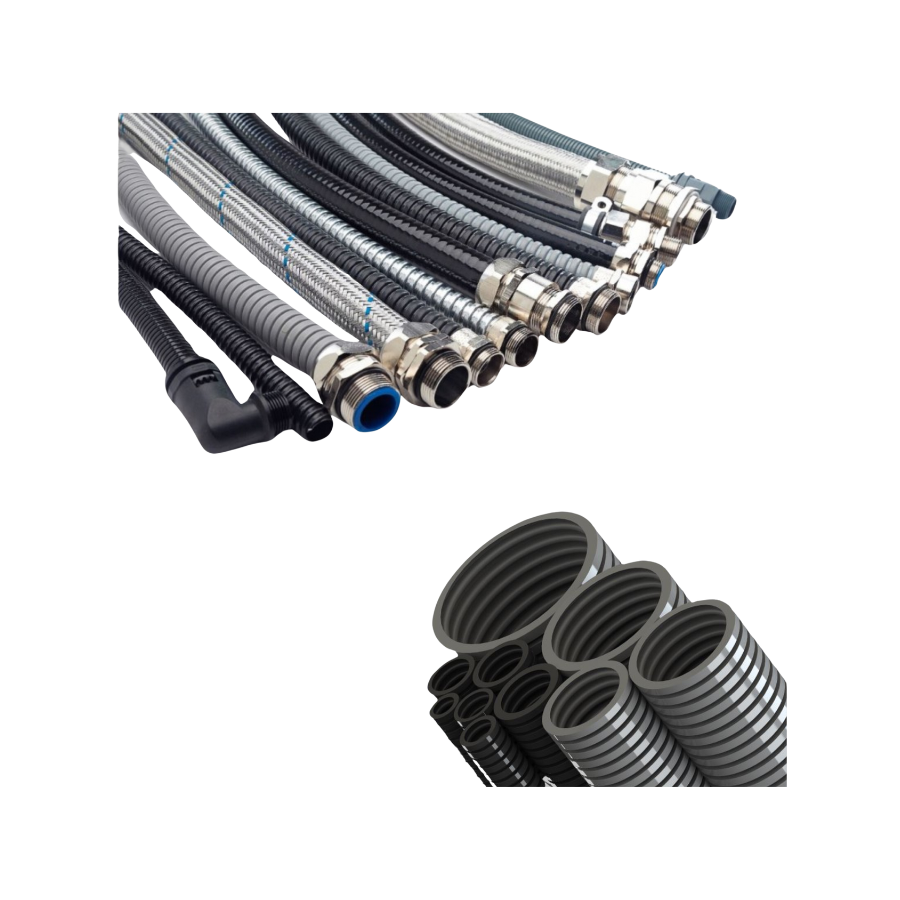
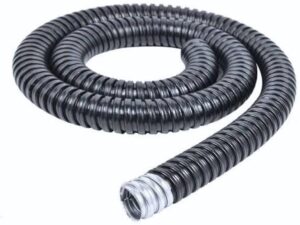
LSZH Flexible Metal Conduits are protective cable management systems that combine the mechanical strength of metal conduits with a special LSZH/LSFOH outer covering. This design provides both physical protection and enhanced fire safety performance.
Unlike standard PVC-coated conduits, LSZH-based systems are engineered to minimize hazardous emissions when exposed to high temperatures or fire conditions. This makes them particularly suitable for environments where human safety is a priority.
Understanding LSZH vs LSFOH Materials
Although LSZH and LSFOH are often used interchangeably, they share a similar objective: reducing toxic emissions during combustion.
- LSZH (Low Smoke Zero Halogen): Produces minimal smoke and no halogen gases during fire
- LSFOH (Low Smoke Fume Zero Halogen): Focuses on reduced smoke density and improved visibility during evacuation
Both material types are widely used in LSZH Flexible Metal Conduits for critical infrastructure projects where fire safety regulations are strict.
Why Flexible Metal Conduit Still Matters
Even though LSZH coating provides fire safety benefits, the internal structure of the conduit is equally important. Flexible metal conduits offer mechanical resistance against vibration, movement, and external impact.
This combination of flexibility and strength allows installers to route cables in complex environments without compromising protection or safety standards.
Key Advantages of LSZH Flexible Metal Conduits
The growing demand for LSZH Flexible Metal Conduits is driven by several practical advantages:
- Fire safety performance: Reduced smoke and toxic gas emissions
- Mechanical durability: Metal core protects against impact and crushing
- Flexibility: Easy routing in complex installation areas
- Regulatory compliance: Suitable for modern fire safety standards
- Improved evacuation safety: Better visibility in fire scenarios
These benefits make LSZH-based conduit systems a preferred choice in safety-critical environments.
Where LSZH Flexible Metal Conduits Are Used
LSZH Flexible Metal Conduits are commonly used in environments where fire safety is not optional but mandatory:
- Public transportation: Tunnels, rail systems, and metro networks
- Airports: Terminal buildings and underground facilities
- Commercial buildings: High-rise offices and shopping centers
- Industrial plants: High-risk manufacturing environments
- Data centers: Critical infrastructure requiring fire-safe cabling
In all these applications, LSZH Flexible Metal Conduits help reduce risk and improve compliance with safety regulations.
Material Construction and Engineering Design
These conduits typically consist of a galvanized steel or aluminum inner structure combined with an LSZH or LSFOH outer jacket. This dual-layer construction ensures both mechanical strength and fire-safe performance.
The outer coating is engineered to resist flame propagation while maintaining flexibility and resistance to environmental stress.
Importance of Low Smoke Performance
In fire situations, smoke is often more dangerous than flames themselves. It reduces visibility and can hinder evacuation efforts. LSZH Flexible Metal Conduits are designed to significantly reduce smoke generation, improving safety conditions during emergencies.
This is one of the key reasons why they are increasingly specified in modern building regulations.
Integration with Cable Protection Systems
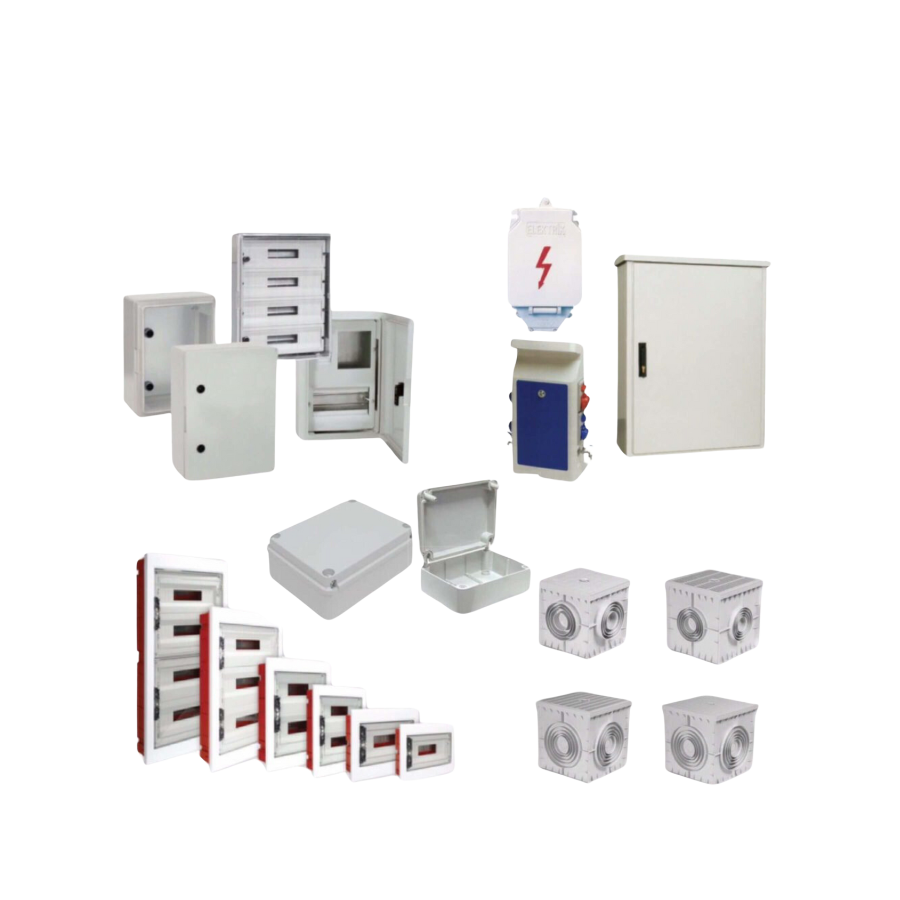
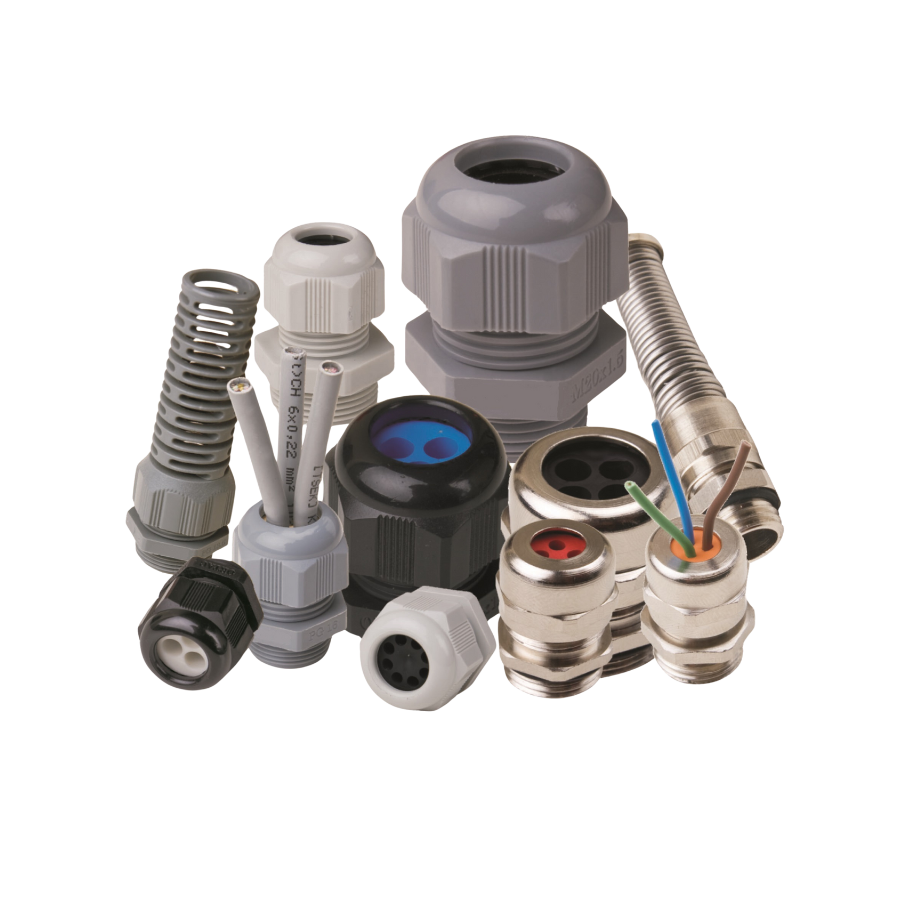
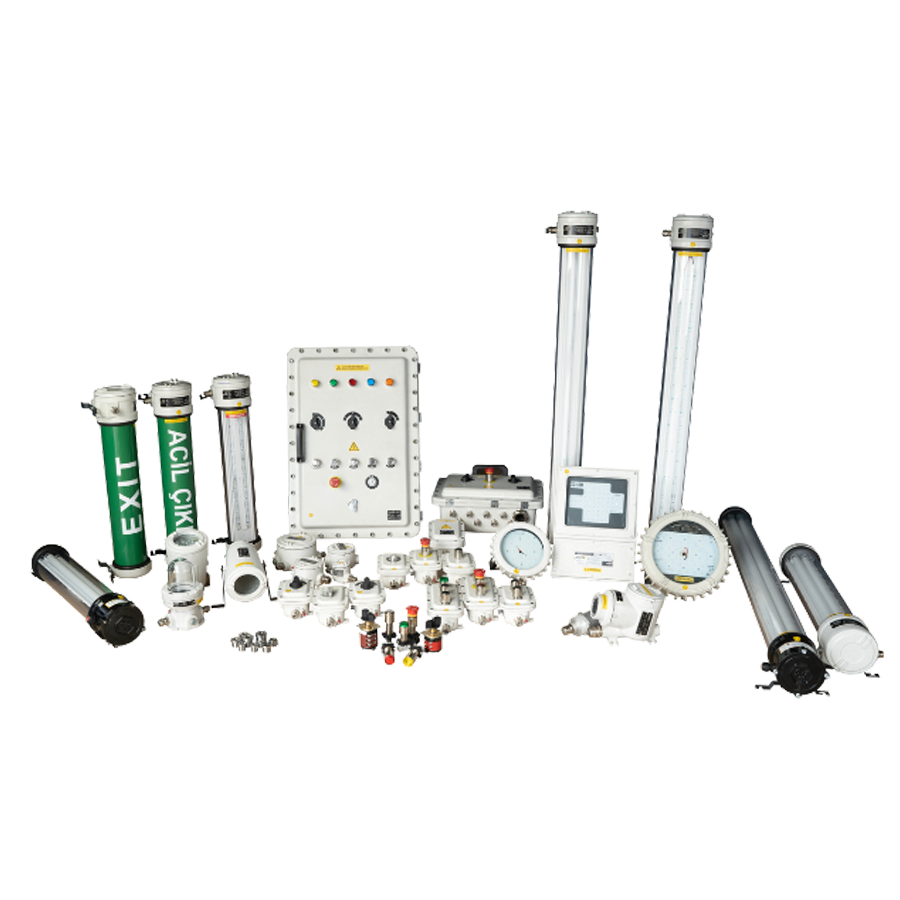
LSZH Flexible Metal Conduits are typically part of a larger cable protection ecosystem that includes cable glands, junction boxes, and entry systems.
Explore compatible solutions here:
LSFOH LSZH Covered Metal Flexible Conduits.
Installation Considerations
Proper installation is essential to ensure both mechanical and fire safety performance:
- Ensure correct bending radius to avoid conduit damage
- Use compatible fittings and connectors
- Avoid over-stretching the conduit during installation
- Maintain grounding continuity where required
- Follow manufacturer installation guidelines
Correct installation ensures that LSZH Flexible Metal Conduits perform effectively under both normal and emergency conditions.
Standards and Compliance
LSZH and LSFOH materials are commonly used in systems that comply with international fire safety and electrical installation standards.
Learn more about global standards:
IEC Standards.
Frequently Asked Questions (FAQ)
What does LSZH mean?
LSZH stands for Low Smoke Zero Halogen, meaning it produces minimal smoke and no toxic halogen gases during fire.
What is LSFOH?
LSFOH refers to Low Smoke Fume Zero Halogen materials with enhanced smoke reduction properties.
Where are LSZH Flexible Metal Conduits used?
They are used in transport systems, industrial facilities, and commercial buildings where fire safety is critical.
Are they better than PVC conduits?
Yes, in fire-sensitive environments LSZH systems provide significantly better safety performance.
Do they meet international standards?
Yes, they are commonly designed to comply with IEC-based safety requirements.
Final Thoughts
LSZH Flexible Metal Conduits are not just a material upgrade—they represent a safety-driven engineering decision. In environments where fire risk cannot be ignored, these systems provide a critical layer of protection for both infrastructure and human life.
As modern installations continue to prioritize safety and compliance, LSZH-based conduit systems are becoming a standard requirement rather than an option.